What are the control methods for corn ear rot?
Corn is a very important food crop in China, and it is grown on a very large area worldwide. During cultivation, corn often encounters various pests and diseases that harm its growth and affect yield. Ear rot is one of them. Ear rot not only harms the growth of corn, but can also have a major impact on human health. So what are the symptoms of corn ear rot? And how should it be controlled? Let's take a look together below!
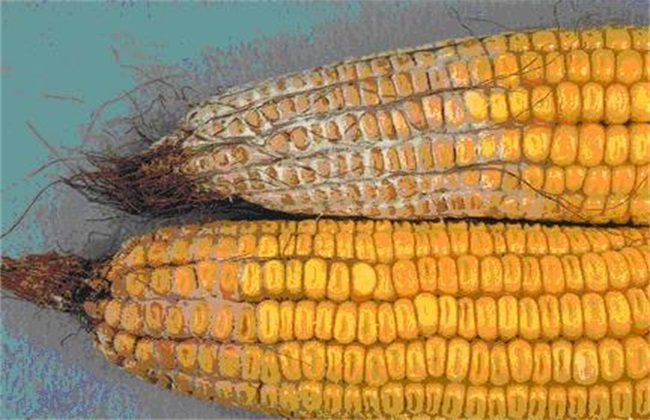
1. Disease symptoms
Corn ear rot mainly damages the ears and kernels of corn. After the ear is infected, discoloration begins at the top and middle, appearing in various colors such as pink and black-gray, all of which are conidia produced by the ear rot pathogen. After the kernels are infected, they become dull and lusterless, shriveled and short of water, and the inside of the kernels becomes hollow, containing a large amount of mycelium. The husks on diseased ears are also penetrated by a large amount of mycelium. They also stick to the ear and are not easy to peel off. In addition, corn in storage is also susceptible to damage, and conidia of various colors also appear, accompanied by a musty smell.
2. Disease patterns
Growth period: The spread of ear rot during the corn growth period varies depending on the pathogen. For example, Aspergillus mainly spreads through various pathogens, while Fusarium can spread through various media such as wind and rain. The conidia of the pathogen mainly become the primary infection source through seeds, diseased residues, and weeds. They invade through wounds produced on the corn plant, and then the spores spread through wind, rain, and so on. The suitable temperature for disease onset is 15-25 degrees, and the humidity is around 80%. Generally, the disease is most severe under high-temperature and high-humidity conditions.
Storage period: Ear rot can also occur during the storage period of corn. If harvest is not timely after the corn matures, the incidence of ear rot will increase. Also, if rainy weather is encountered after maturity in autumn, it is very likely to cause disease in the corn kernels. In addition, if the corn is stored without being dried after harvest, it is also likely to lead to disease. Furthermore, during storage, if it is not sealed and the temperature rises, it is also easy for pathogens to breed and trigger ear rot.
3. Control methods
Before planting, we should do a good job of land preparation, deeply plow the soil, remove diseased residues and weeds from the soil, and then spray Bordeaux mixture and various other disinfectant solutions for disinfection to reduce the base number of pathogens in the field. Then we should control the sowing time well, avoid planting too densely, do a good job of topdressing, advance the time of corn maturity, strengthen pest control work, and avoid wounds on corn. Finally, after harvest, corn should not be piled too thickly, and the husks on the plants should be peeled off in time to avoid rain and moisture. If diseased ears are found, they should be broken off in time to prevent the disease from spreading.
The above is a brief introduction to the control methods for corn ear rot. Ear rot can only be mainly prevented, and there is no effective treatment method. Before sowing, do a good job of seed dressing and disinfection to solve the problem from the root. That is all for today's introduction. This article is for reference only, and I hope it can help everyone!