What are the growing environment requirements for peppers
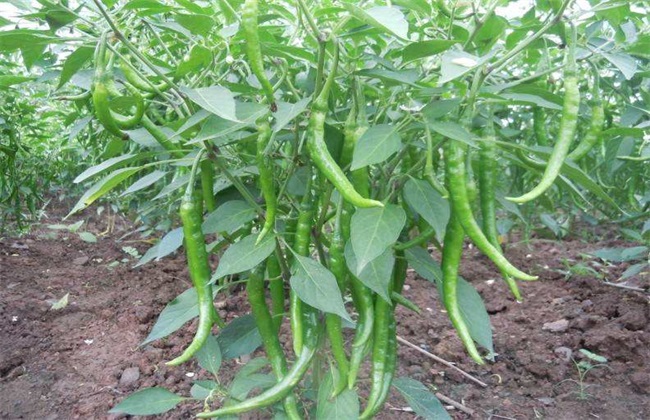
Peppers are the most widely used seasoning in all kinds of dishes. Peppers also have quite a few loyal fans. At present, the amount of peppers consumed is huge, the market has been stable, and the revenue mainly depends on quality and yield. So many growing bases plant large quantities of peppers and have accumulated a lot of experience about growing conditions. Therefore, our article mainly introduces some of this experience to help everyone.
1. Light
For greenhouse pepper growing, you can use greenhouse film with good light transmittance and avoid using overly large structural materials, which can increase photosynthetic utilization and boost nutrition. For open-field cultivation, with planting in spring and fruiting in summer, the light in subtropical regions can meet the needs of growth. But strong light easily scorches the fruit, especially ripe fruit, while weak light easily causes flowers and fruit to drop. However, peppers are short-day plants and are not too sensitive to light.
2. Temperature
Peppers like warmth and fear freezing, and can grow above 15 and below 30. Above 35 degrees affects flowering and fruiting; they may fail to flower and fruit, or may drop flowers and fruit. The best growing temperature is between 20 and 28 degrees during the day, and above 18 degrees and below 23 degrees at night. Below 15 degrees, growth stops or slows down.
3. Water
The pepper root system is weak, and it fears both drought and waterlogging. The plant does not need much water, but because the roots absorb poorly, it needs to be watered many times, and not too much at once. In this way, water for growth can be absorbed well. How much to water depends on soil moisture and fruit size. During the flowering and fruiting period, if there is a lot of water at high temperatures, it easily triggers various diseases and pests. It will also cause flowers and fruit to drop.
4. Soil
Peppers are not strict about soil for planting. Generally, deep sandy loam or loam that retains fertilizer and is breathable is the best choice. Sandy land does not retain water and easily salinizes, so it is not suitable for planting. Compacted soil lacks oxygen and leads to poor growth. Low-lying land easily accumulates water, which causes root rot and plant death. It is suitable for growing in neutral, slightly acidic soil.
5. Nutrition
In the early stage, potassium fertilizer is needed most, so the stems will be strong, and a certain amount of phosphorus fertilizer is also needed to promote root growth. Nitrogen fertilizer should be a little less; in the early stage, nitrogen fertilizer and potassium fertilizer are equal, and phosphorus fertilizer is a little less. In the later stage, flowering needs boron fertilizer, and fruiting needs a large amount of phosphorus fertilizer. It is best to apply farmyard manure, which has more nutrients and also trace elements. At this time, nitrogen fertilizer is the least, phosphorus fertilizer is next, and potassium fertilizer is the most.
Pepper growth has its own requirements for soil, light, nutrition, water, and temperature, all of which come from the characteristics of peppers and their growth characteristics. But there are many pepper varieties, and some may need some adjustments on the above basis, which can be done according to actual conditions.