What are the growing environment requirements for cilantro?
The scientific name of cilantro is coriander (Coriandrum sativum), and it is a seasoning vegetable cultivated all over the country. Many people like it, and many people know this vegetable, but few know that cilantro has the medicinal effects of relieving pain and detoxifying. It is deeply loved by people in our country. This is an essential vegetable in daily life, its sales are promising, and growing cilantro brings good economic returns. However, growing cilantro also has certain limitations, as it has its own requirements for the growing environment, so the following will discuss the unique requirements for the essential conditions in various aspects.
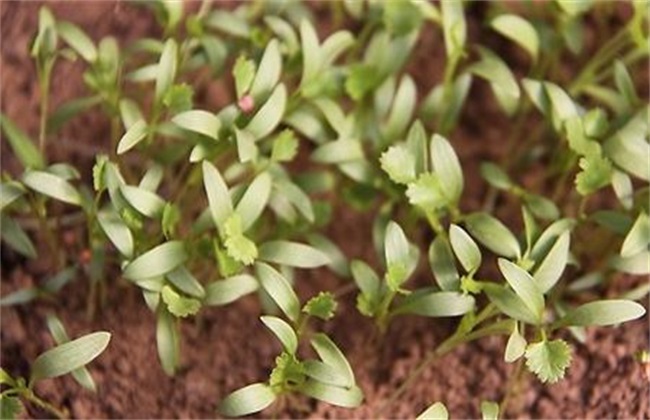
1. Temperature
Cilantro is tolerant of low temperatures, roughly able to adapt to minus 1 degree Celsius up to above 3 degrees Celsius, but the most suitable temperature for growth is 17 degrees Celsius to 20 degrees Celsius. This temperature is exactly the usual temperature in temperate regions, so it is suitable for cultivation in temperate zones. Above 20 degrees Celsius, growth slows down. Therefore, it can also be cultivated in autumn, winter and spring in subtropical regions.
2. Soil
The root system is a taproot system, so it needs deep soil with good structure. The root system has strong absorption capacity, so it should be planted in soil that retains water and nutrients, so that it can satisfy the absorption of nutrients and water. Cilantro likes fertilizer and needs a large amount of nutrients to keep the leaves dark green and to support leaf growth, so it needs fertile soil rich in humus.
3. Light
Cilantro growth requires medium to short daylight, because too much light and direct strong sunlight will scorch the leaves, causing the leaves to turn purplish red and become aged. The stems become hard. It grows well under spring light. Summer sunlight is too strong. Too strong light easily causes bolting, affecting the eating quality.
4. Water
Cilantro likes water, and its growth is mainly in the leaves. Keeping the leaves upright requires a large amount of water, so it must be watered frequently throughout the entire growing period, roughly maintaining 60% soil moisture content, but do not water too much at one time. Leaf cells that absorb too much water easily grow excessively and become old, while the root system is afraid of waterlogging, so watering must not cause water accumulation.
5. Nutrition
For the leaves to be dark green and tender, more nitrogen fertilizer should be applied. The entire fertilization regimen should be mainly nitrogen fertilizer, then a small amount of potassium fertilizer, which easily ages stems and leaves. Phosphorus fertilizer is essential, otherwise yellowing easily occurs. To avoid deficiency symptoms, cilantro growth also needs trace element fertilizers such as calcium and magnesium, which can ensure normal leaf growth.
Regarding the best growing environment for planting cilantro, the goal is to provide the above requirements as much as possible, but if conditions are insufficient, being able to survive is already very good, as long as basic conditions are provided. To pursue yield and quality, a very good environment is still needed.