Corn phytotoxicity can be solved this way
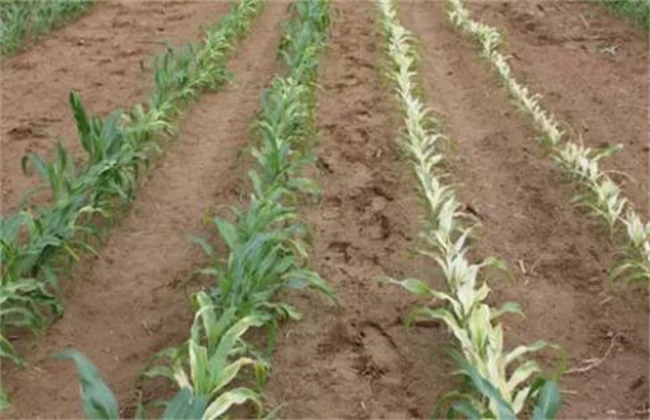
Corn is one of the main food crops in our country. During the planting process, weeds can affect the growth and development of corn, so many farmers use herbicides, but improper use of herbicides can cause phytotoxicity to corn and lead to reduced yields. So what should be done after corn suffers phytotoxicity? Let's take a look.
1. Soil treatment
For phytotoxicity caused by using an excessive dose of herbicide, the methods of intertillage, continuous flooding of the field followed by drainage, and repeated washing can be used to alleviate the phytotoxicity. And combined with watering, a certain amount of lime powder can be applied to neutralize acidic herbicides. The residual chemicals should be washed off and drained in time to reduce the residual chemicals in the soil, strengthen field management, and enhance the resistance of corn.
2. Strengthen field management
For fields where phytotoxicity has occurred, field management should be strengthened. Combined with watering, apply more decomposed farmyard manure, urea and other fertilizers to promote root development and regeneration, restore the physiological functions of corn, promote healthy crop growth, and reduce the harm of chemicals to crops. Strengthen intertillage and loosening of the soil, break up soil compaction, enhance soil permeability, raise soil temperature, promote the activity of beneficial microorganisms, accelerate the decomposition of nutrients, enhance the absorption capacity of roots, promote plant growth and development, reduce losses from phytotoxicity. You can also spray the leaves with a 1%-2% urea solution or a 0.3% potassium dihydrogen phosphate solution.
3. Spray growth regulators
Plant growth regulators can have an excellent stimulating effect in reducing the growth and development of corn. They can promote crop growth through trace elements such as zinc, iron and aluminum, and effectively alleviate phytotoxicity. Commonly used plant growth regulators include gibberellic acid, brassinolide, and sodium nitrophenolate. In addition, detoxifying agents can also be used to reduce chemical toxicity. For example, using tea for seed dressing can protect corn from damage by herbicides such as acetochlor, butachlor and metolachlor.
4. Replanting and supplementary planting
For fields with severe phytotoxicity, in addition to identifying the cause of the phytotoxicity, targeted remedial measures should also be taken technically. For those severely damaged and impossible to remedy, timely replanting or supplementary planting should be carried out to reduce losses.
The above introduction to solutions for corn phytotoxicity is hoped to help you. If you want to learn more related knowledge, please follow us.