How to prevent and control wheat dry hot wind? Detailed practical measures
During the grain-filling stage to the maturity stage of wheat, if it encounters high temperature, drought and windy weather, it is very easy to cause dry hot wind. Dry hot wind is one of the main meteorological disasters in wheat production in the northern wheat regions of China. It causes an imbalance of water in the plant, inhibits grain filling or prevents it altogether, causes wheat to mature prematurely, and leads to a large decline in yield. So how should dry hot wind be prevented and controlled? Let's take a look together.
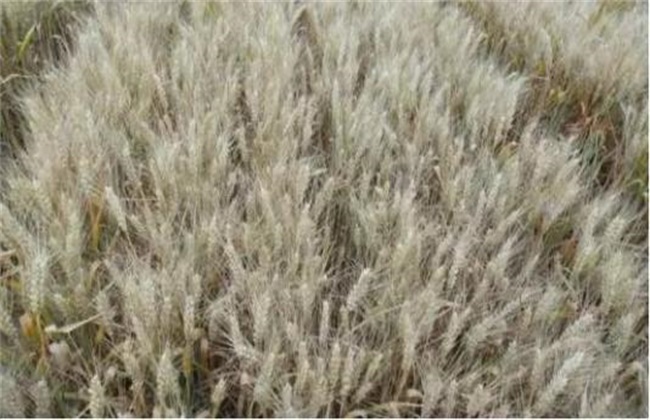
I. Harm of dry hot wind to wheat
Dry hot wind is often encountered in the late growth period of wheat and can harm the awns, ears, leaves and stems of wheat. In mild cases, it shows as awn shattering and premature maturity, with a slight decrease in grain weight; in severe cases, from the top to the base there is severe water loss, shown as green wilt and whitening, shriveled grains, and a decrease in protein content. In China, relatively severe dry hot wind generally occurs 1-2 times every 10 years, while in some regional areas it occurs almost every year. In ordinary years, dry hot wind reduces yield by about 10%-20%, while in severe years it reduces yield by more than 30%.
II. Prevention and control measures
1. Water enough at the grain-filling stage
Grain-filling water is generally applied in the early grain-filling stage of wheat. If there is drought and little rain in the middle stage in Xiamen City, it should be applied earlier.
2. Spray potassium dihydrogen phosphate
In order to increase the phosphorus and potassium content in wheat stems and strengthen resistance to dry hot wind, a low-concentration potassium dihydrogen phosphate solution can be sprayed once each at the booting stage, heading stage and flowering stage of wheat, with a relatively good protective effect. Generally, 50-75 kg is sprayed per mu, but note that it should not be mixed with alkaline pesticides.
3. Spray boron fertilizer and zinc fertilizer
In order to speed up the later growth of wheat and enhance stress resistance, a low-concentration borax solution can be sprayed once at the flowering stage of wheat, generally 100 borax mixed with 50-60 kg of water, or a 0.2% zinc sulfate solution can be sprayed once at the grain-filling stage. The dosage is about 50-75 kg per mu, which can increase the grain-filling speed and grain plumpness.
4. Growth regulators
At the flowering stage and grain-filling stage of wheat, spraying a low-concentration naphthalene acetic acid solution once can significantly improve wheat's resistance to dry hot wind; or at the flowering and grain-filling stages, spraying a 0.1% calcium chloride solution once, with a dosage of 50-75 kg per mu, can also improve wheat's resistance to dry hot wind; you can also use 300 grams of edible vinegar or 50 grams of acetic acid per mu mixed with 40-50 kg of water and spray it once each at the booting stage and early grain-filling stage, effectively preventing dry hot wind and ensuring stable and high yield.
The above is an introduction to wheat dry hot wind prevention and control measures. We hope it can help you. To learn more related knowledge, please stay tuned to us.