How to prevent and control wheat lodging? Master these technical key points
After wheat is planted, the problem most likely to occur when rain comes is wheat lodging. There are many causes of wheat lodging, but they are all related to the toughness of the wheat stem, and also to the weather. When this problem is encountered during production, it means that the specific cause of lodging must be found by combining the situation in which it occurs and local conditions, so that targeted improvements can be made. Moreover, for every cause that can be thought of, countermeasures should be planned before planting.
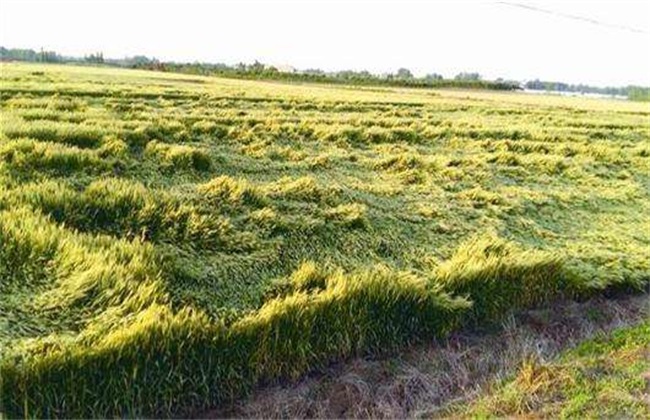
I. Causes of lodging+
Sudden strong winds and heavy rain, or the effects of other extreme natural disasters, cause large-scale lodging. Or, during cultivation, the stem is relatively long and slender, making it prone to lodging under external influences. Then there is insufficient fertilizer and nutrients, which leads to thin and weak stems that cannot withstand wind and rain. There is also damage to the base of the stem by pests and diseases, causing lodging.
II. Preventive measures
1. Seed selection
During the growing period, pay constant attention to the weather. Before strong winds and rainstorms, soil can be hilled up to increase the strength of the root area and resist wind and rain. Choose short, sturdy cultivars with strong, hard stems, and they can also be planted in a relatively sheltered location. The selected cultivar should be one that has been tested in practical cultivation and indeed has a good effect against wind and rain.
2. Growth regulation
Growth regulators can be used to make the plant grow shorter and sturdier, such as chlormequat, or gibberellin at a certain concentration, which can shorten internodes, enhance root vitality, make leaves wider and shorter, and increase seed setting, so that the plant does not catch the wind and is less likely to lodge. Use at the early jointing stage for an obvious effect; the effect is not great later on.
3. Fertilization and irrigation
Fertilize and irrigate sufficiently to ensure good growth. Do not apply too much before the jointing stage; control the amount of nitrogen fertilizer applied to avoid excessive vegetative growth, thin and weak stems, and easy lodging. At the jointing stage, apply more potassium fertilizer to strengthen the stems and root system, so that the root system grows more and the stems are strong, which plays a great role in anchoring the plant. Water must not accumulate; prolonged waterlogging easily causes root rot and lodging.
4. Pest and disease control
Many diseases begin at the base of the stem. Generally, after onset, they rot the roots and stems. For example, wheat rhizoctonia disease causes the stem and roots to turn black and rot after infection, with patches dying off. In the early stage of the disease, lodging may be extremely likely when wind and rain occur. For control, 40% isofenphos-methyl EC 50ml or 50% phoxim EC 100ml can be sprayed. The main underground pest harming the roots is the mole cricket. Mole crickets are good at digging soil and will damage the root system. 10% imidacloprid can be used, diluted with water, to drench the roots for control.
The above are the various causes of wheat lodging and the corresponding preventive and control measures, so that the problem of wheat lodging can be solved and improved. There are many causes of wheat lodging, and they are greatly related to the specific local environment and climate. There may also be causes not yet considered, and these can be studied and solved independently when discovered in production practice.