What to Do About Flower and Fruit Drop in Pumpkins? Causes and Prevention Measures
During the cultivation of pumpkins, flower and fruit drop is often encountered, which seriously affects pumpkin yield and brings huge losses to farmers. So what causes flower and fruit drop in pumpkins? What should be done? Let's learn about the details together below.
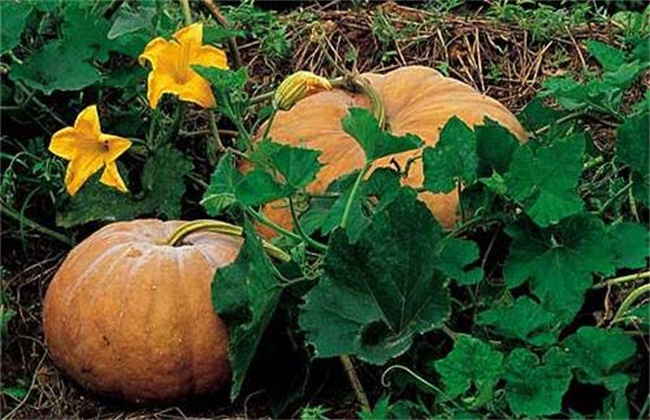
Causes of Flower and Fruit Drop
1. In early-maturing pumpkin varieties, the female flowers open first, and with no male flowers to pollinate them, the female and male flowering periods do not coincide, making normal pollination impossible.
2. When flowering occurs earlier and temperatures are lower, the female flowers develop poorly and the pollen tubes grow slowly, resulting in poor pollination.
3. Applying too much nitrogen fertilizer or continuous rainy weather causes the pumpkin to remain vegetative and heavy, with stems and leaves growing more vigorously than the fruit, and nutrients are secured during the flowering and fruiting period, leading to flower and fruit drop.
4. Pumpkins are cross-pollinated plants. If continuous rainy weather occurs during the flowering period, normal pollination cannot take place, leading to flower and fruit drop.
5. Excessive planting density leads to a closed, shaded field with poor ventilation and light penetration, which is also one of the causes of flower and fruit drop.
Prevention and Control Methods
1. Regulate vegetative growth and reproductive growth
When vegetative growth is excessive and there are still no female flowers after the main vine has extended to the 12th node, the apical dominance should be weakened to promote the transition from vegetative growth to reproductive growth. There are several methods. One is to change the leader: if the main vine sets no fruit, the main vine can be cut off just before the leaf node where the lowest-positioned secondary vine grows, and the closer the secondary vine is to the roots the better, changing from fruiting on the main vine to fruiting on the secondary vine; alternatively, carry out one deeper intertillage to cut off one round of roots.
2. Thin flowers and fruits
Because excessive female flowers previously caused your flower and fruit drop, part of the flowers and fruits can be appropriately thinned out.
3. Hand pollination
Hand pollination is best carried out in the morning from 8-10 o'clock, when the pollen has matured. Pick a robustly growing male flower, remove the petals, and gently smear the anther on the stigma of the female flower. At this time the stigma secretes sticky liquid, which holds the male flower's pollen, completing pollination. One male flower can successively pollinate 2—3 female flowers. After pollination, cover with a leaf to prevent rain from washing away the pollen; bees can also be used for pollination.
4. Rational close planting
To avoid a closed, shaded field, rational close planting should be used, generally 800-1200 plants per mu is suitable. Early-maturing varieties can be planted somewhat more densely, while late-maturing varieties can be planted somewhat more sparsely. This helps improve ventilation and light penetration and increase the fruit-setting rate, and can also prevent the occurrence of diseases.
The above is an introduction to the causes of flower and fruit drop in pumpkins and prevention measures. We hope it helps you. To learn more related knowledge, please stay tuned to us.