How to manage bitter melon during the flowering and fruiting period? Keep these precautions in mind
Bitter melon is a common vegetable in daily life. Its taste is slightly bitter, but it also has quite a few benefits. Regular consumption can effectively relieve inflammation in the body, and it also has a good resistance effect against many pathogens. In summer, it can also clear heat and relieve summer heat. Bitter melon is simple to grow, but during the flowering and fruit-setting period, several issues need attention. Let's take a look below.
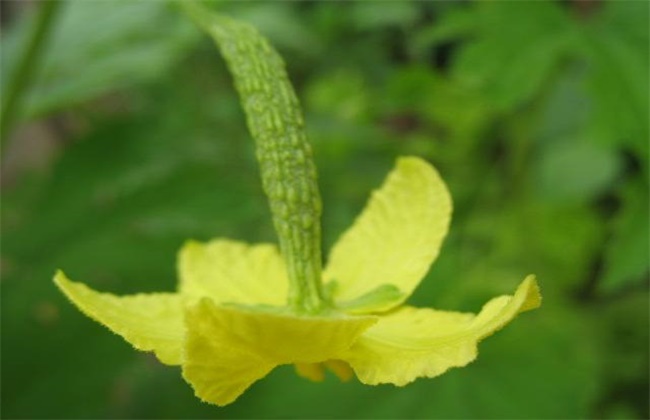
1. Hand pollination
After entering the flowering and fruit-setting period, hand pollination should be carried out promptly every day. The method of hand pollination is relatively simple. First, you can pick off a male flower and use its stamens to smear the stigma of a female flower, thus completing pollination. Generally, each male flower can pollinate 2-3 female flowers. If the planting area is large, the pollen can be collected, mixed with a filler, and then sprayed for pollination. Although the effect is not as good as hand pollination, it saves time and effort.
2. Vine pruning
Bitter melon is very prone to growing side branches and vines when planted, and these side branches are very likely to produce male flowers. At this time, these useless side branches and vines should be removed promptly to avoid unnecessary consumption of the plant's nutrients, which would affect female flower blooming and fruit setting, so that the plant's nutrients are concentrated in the female flowers and young fruits, improving the fruit-setting rate and promoting young fruit growth.
3. Reasonable fruit retention
Many branches and vines of bitter melon retain more flowers, but due to insufficient nutrients, many fruits grow poorly or develop abnormally. Such fruits have no commercial value at all and only waste the plant's nutrients in vain. Therefore, these densely set small fruits or abnormally developed small fruits should be removed promptly, so that the well-growing bitter melons can grow better and losses can be reduced, but care should be taken during the operation.
4. Strengthen fertilizer and water management
Although some small fruits grow poorly, they have already been growing for a long time. However, due to insufficient nutrients, they grow abnormally. Therefore, during the flowering and fruit-setting period, fertilizer and water management must be strengthened, with more organic fertilizer applied, to provide sufficient nutrients, promote strong seedling growth, and ensure that the fruits have sufficient nutrients for growth and development.
5. Disease control
During the growth process, bitter melon is very prone to powdery mildew, and its leaves are dense, so attention should be paid to early chemical control to prevent diseases. Also note that the single use of nitrogen fertilizer should be reduced, and attention should be paid to the reasonable combination of fertilizers. Excessive application of nitrogen fertilizer will lead to excessive vegetative growth of branches and leaves, competing with the fruits for water and fertilizer, which is unfavorable for fruit growth and development.
The above is an introduction to the precautions for bitter melon during the flowering and fruiting period. We hope it can help you. If you want to learn more related knowledge, please stay tuned to us.