Detailed Explanation of the Key Points of Field Management Techniques for Panax notoginseng
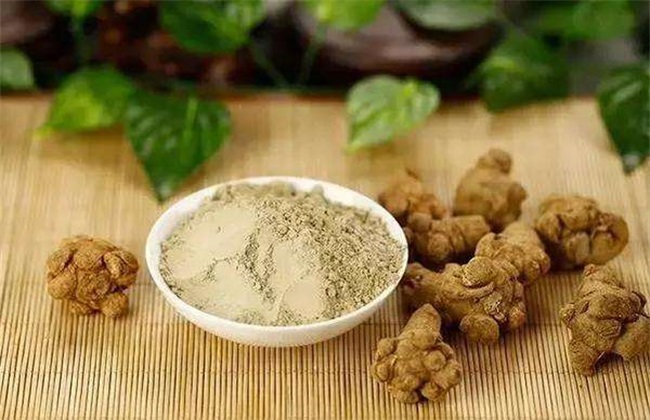
Panax notoginseng is a very good medicinal herb in China, mainly using its roots for medicinal purposes, and it has various effects such as promoting blood circulation and removing blood stasis, reducing swelling and relieving pain. Although it has a vast wild distribution area, in order to meet market demand, the area of artificial cultivation is now also growing larger and larger. When planting Panax notoginseng, field management is very important. So today, the editor has brought you the field management techniques for growing Panax notoginseng. Let's take a look below!
1. Intertillage and weeding
Weeds have a very large impact on the growth of Panax notoginseng. When planting Panax notoginseng, the first thing we need to do well is intertillage and weeding. When weeds are found in the field, they should be pulled out in time to prevent them from competing for the nutrients and water needed for the growth of Panax notoginseng. However, it should be noted that because the roots of Panax notoginseng are distributed relatively shallowly, care should be taken during weeding to prevent damage to the roots. If the roots become exposed, soil should be covered in time to ensure root growth. Then do a good job of intertillage to improve soil permeability, enhance the growth capacity of Panax notoginseng, and ensure its normal growth.
2. Setting up shade sheds
Panax notoginseng is very sensitive to sunlight, so when planting, we should pay attention to doing a good job of setting up shade sheds. The height of the shade shed should be controlled at about 1.5 m, and curtains or straw and other materials should be covered on top of the shed. In spring and autumn each year, the degree of shading can be appropriately reduced, with the light transmittance controlled at about 50%. As Panax notoginseng grows, adjust the light transmittance reasonably. For Panax notoginseng plants of about 3-4 years, during the flowering and fruiting period, control the light transmittance to increase the yield of Panax notoginseng, promote root expansion, and enhance the disease resistance of the plants.
3. Water and fertilizer management
During the germination and flowering periods of Panax notoginseng, if there is drought, then water should be given in time to keep the soil moist and promote the growth of Panax notoginseng. However, during rainy seasons and other periods with abundant water, we should also ensure good drainage work, and after rain, reduce the soil moisture content in time to prevent waterlogging from rotting the roots. When Panax notoginseng enters the vigorous growth period, attention should be paid to reasonably applying nitrogen fertilizer as a top dressing. According to the growth condition of Panax notoginseng and soil fertility, reasonably supplement the corresponding fertilizer to meet the nutritional needs of Panax notoginseng, promote its growth.
4. Pest and disease control
Pests and diseases are very harmful to Panax notoginseng. When planting Panax notoginseng, we must fully understand the various common pests and diseases of Panax notoginseng. For example, damping-off disease, root rot, and various other diseases all cause different kinds of harm to Panax notoginseng. Therefore, when planting, we must frequently observe the growth condition of Panax notoginseng. Understand the symptoms of various pests and diseases, so that when disease occurs we can quickly know the specific situation and then take corresponding control measures. Then there is the need to use pesticides reasonably and not blindly, to avoid causing pesticide damage to Panax notoginseng.
The above is a brief introduction to the key points of field management for Panax notoginseng. The management work for Panax notoginseng is very important, so everyone must absolutely not neglect it. That is all for today's introduction. This article is for reference only, and I hope it can help everyone!