What are the environmental requirements for loofah growth
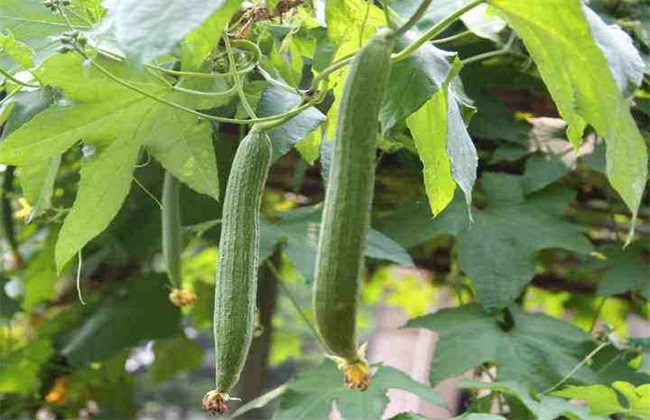
Loofah is a climbing annual vegetable cultivated in tropical and temperate regions. The loofah sponge can be used in medicine and has diuretic and blood-activating effects. Loofah also has its own requirements for environmental conditions such as light, temperature, humidity, soil and nutrients. Without a fully suitable growing environment, it may grow poorly, produce few gourds and have poor taste. Next, let me introduce the best growing conditions loofah needs.
1. Temperature
Loofah likes warmth and tolerates heat but not cold, so it needs relatively high temperatures for growth. Seed germination requires above 20°C, and growth is rapid above 30°C and below 35°C. The vines need above 25°C and below 30°C during the day, and above 18°C at night. Below 15°C growth is affected, at 10°C it does not grow, at 5°C there is frost damage, and any lower and the seedlings die.
2. Water
It tolerates waterlogging and likes moisture. The entire growing period requires sufficient water, so soil moisture should normally be kept between 60% and 80%, and air humidity can be somewhat higher than soil moisture. Then during the vigorous growth period, soil moisture above 65% is needed for good growth, and it must not be lower than 55% water content. Only a moist environment allows good growth.
3. Light
It is relatively sensitive to changes in light, but its light requirements are not strict, and it can also grow well in somewhat shaded places. However, loofah is a short-day crop and mainly needs to grow under short-day conditions, but during the flowering and fruiting period the light duration can be longer, which is beneficial for fruit setting.
4. Soil and nutrients
It has no strict requirements for soil and has good adaptability, but deep soil with good drainage, good fertilizer retention, good permeability and a complete structural layer is more suitable for planting. Such soil generally has good nutrients, and some humus nutrient soil can be added for planting. Fertilization should be mainly nitrogen fertilizer, with a small amount of phosphorus and potassium fertilizer. Then, as base fertilizer, apply barnyard manure and compost to improve the soil environment.
5. Gas
In winter protected cultivation, carbon dioxide, the raw material for photosynthesis, is easily insufficient because of less ventilation, so chemical methods can be used to artificially add some carbon dioxide. This increases the nutritional products of photosynthesis, then increases nutrients and benefits growth.
The above are the specific and detailed contents of the several major environmental requirements for loofah growth. Although it may not be possible to do all of them perfectly, providing a good growing environment as much as possible is also something that should be considered when planting loofah. Thank you for reading, and welcome to continue your support.