Detailed Explanation of Key Techniques for High-Yield Onion Cultivation
Onions are widely distributed in China, grown in both the south and the north, and the planting area is increasing year by year. They are one of the main vegetables currently cultivated and a health-promoting vegetable deeply loved by people. So how can onions achieve high yields? Let's take a look together.
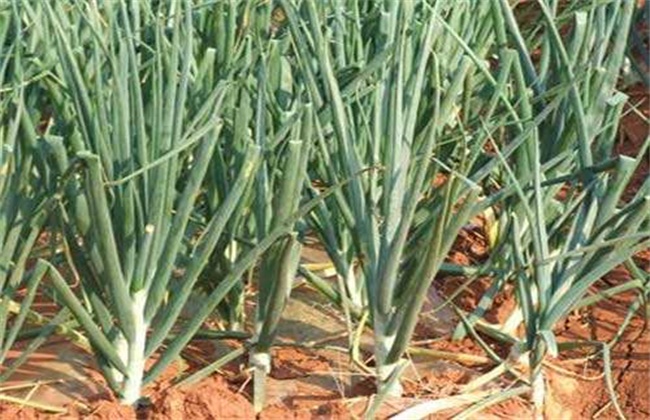
1. Cultivating Strong Seedlings
Sowing and seedling raising are best done in September-October. For the seedbed, choose loose, fertile sandy loam or new land with convenient drainage and irrigation that has not previously grown onions or garlic. Before sowing, finely prepare the soil and apply sufficient base fertilizer, then form beds and sow. Before sowing, soak the seeds in warm water for 24 hours, dry them, mix with soil and sow evenly. Generally, sow 70-75 grams per mu. After sowing, cover with fine soil, then cover with weeds to prevent rain erosion and direct strong sunlight. After covering with grass, drench with dilute manure water once. After seedlings emerge, remove the weeds to avoid affecting seedling emergence.
2. Transplanting
Onions should not be continuously cropped, so the transplanting site should preferably have previous crops of solanaceous fruits, melons and beans, or late-season rice, and is best with fertile, loose sandy loam or newly reclaimed land. For transplanting, use 25 kg of lime per mu for soil disinfection, and apply 1500-2000 kg of decomposed farmyard manure as base fertilizer. Transplanting is generally done from mid-November to early December, so that seedlings grow rapidly before frost and are not damaged by freezing. The transplanting spacing is generally 10-12 cm between plants and 14-16 cm between rows, with planting depth of 2-3 cm being suitable. Transplant 8000 plants per mu. After transplanting, water thoroughly to settle the roots and promote survival.
3. Fertilizer and Water Management
Generally, one week after transplanting, apply dilute human and livestock manure water once, then after 7-8 days apply burned soil or high-quality farmyard manure once to promote root development and enhance cold resistance. In winter, onions grow slowly, and fertilization can be paused at this time. When temperatures rise in spring, the underground bulbs enter the expansion stage, and 1-2 heavy fertilizer applications should be made, applying 10-12 kg of urea plus 5-6 kg of potassium sulfate per mu. By late March, the bulbs expand rapidly, and 1250 kg of decomposed human manure should be applied per mu. Stop fertilizing 25 days before harvest. Onions like moisture but are prone to waterlogging. During the seedling stage, temperatures are relatively low and water demand is low, so just keep the soil moist. After temperatures rise, onions grow faster, and bulb growth and expansion require large amounts of water, so water accordingly. During the rainy season, promptly clear ditches and drain water to prevent water accumulation in the field.
4. Pest and Disease Control
Common onion diseases include soft rot and stem rot. Follow the principle of prevention first, treatment second. Farmyard manure used must be completely decomposed to avoid introducing pathogens and insect eggs. During the growing period, control nitrogen fertilizer to prevent excessive vegetative growth, and pay attention to a reasonable balance of nitrogen, phosphorus and potassium. During the bulb formation stage, pay attention to timely drainage to avoid long-term water accumulation, which can greatly affect yield. When disease occurs, alternating spraying of agricultural streptomycin and Fuxing emulsifiable concentrate can be used for control, with good results.
The above is an introduction to high-yield onion cultivation techniques. We hope it helps you. To learn more related knowledge, please stay tuned to us.