How to prevent and control ginger root rot? A detailed guide to practical methods
Ginger generally grows in deep, moist soil, so the main site of disease occurrence is the underground rhizome of ginger, and the above-ground parts rarely suffer from disease. The main underground disease is root rot. As the name implies, root rot mainly causes symptoms of rhizome decay, and it is a directly and seriously harmful disease. If you want to understand the occurrence and prevention of root rot, you can read this article carefully.
I. Causes of occurrence
The pathogen overwinters as mycelium on seed ginger kept for planting, on rotting diseased plants in the field, or on diseased residues, and then becomes the main source of infection in the next planting season. The pathogen spreads by means of the spores it produces through rain splash or irrigation water. Because it is a soil-inhabiting bacterium, it generally does not spread through wind. It can invade directly from the rhizome. High planting density, heavy clay soil, unmatured manure, insufficient fertilization, low-lying land, or water accumulation after rain are the main triggers of disease occurrence.
II. Symptoms of damage
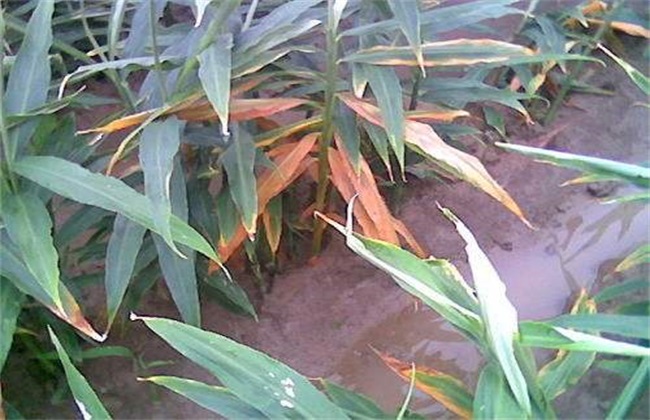
The pathogen often first infects the basal stem close to the ground, which turns green and water-soaked after infection. It then spreads to the underground stem, generally causing the buds of the underground stem to turn brown, the above-ground parts to turn yellow and die, and the stem base to rot and finally fall over on the ground. Affected seed ginger shows a water-soaked state, and then a large area of white mold grows on the surface, spreading rapidly.
III. Prevention and control methods
1. Soaking seed ginger
Before planting, select ginger that has not developed disease during storage and is free of pests and diseases, soak it in the chemical solution for 10 to 20 minutes, and then plant it. Using 200 grams of 50% carbendazim wettable powder added to 100 kg of water can soak 100 jin of seed ginger, which is then dried in the shade before planting.
2. Choosing land and fertilizing
Choose deep but relatively dry, sunny, well-aerated, fertilizer-retaining sandy loam soil for planting. Fertilization must be sufficient to avoid weak plant growth and susceptibility to disease due to fertilizer deficiency. Then apply farmyard manure only after ensuring it is completely matured, to avoid harm from carrying pathogens.
3. Spraying and root drenching
In the early stage of disease, use about 3 jin of 70% thiophanate-methyl wettable powder or 50% carbendazim wettable powder mixed with soil and broadcast at the stem base to treat and improve the condition, spraying continuously twice with an interval of 3 to 5 days. Then, when the diseased area is large and the disease is severe, use 46.1% copper hydroxide water-dispersible granules at 500-1000 times dilution or 75% chlorothalonil wettable powder at 1000 times dilution to drench the roots of diseased plants, applying 100-150 milliliters of solution per plant, once every 10 days, for 2 to 3 consecutive drenchings for prevention and control.
Root rot is the most serious disease of ginger after ginger blast. Generally, prevention in advance can reduce the possibility of disease occurrence. If it occurs, control in the early stage is the best time. Once it becomes severe, root drenching will still result in great losses. The above content is welcome for reading and reference.