What are the growing environment requirements for oyster mushroom cultivation?
Oyster mushroom, also called the "frozen mushroom," is one of the common edible mushrooms. Edible mushrooms generally have cultivation methods that differ from other vegetables, and they need specially provided artificial environments to survive. Therefore, the environment for cultivating oyster mushrooms must meet their own needs; water, light, temperature, humidity, nutrients and other aspects must match the growing environment of oyster mushrooms and be the most favorable for their growth.
1. Temperature
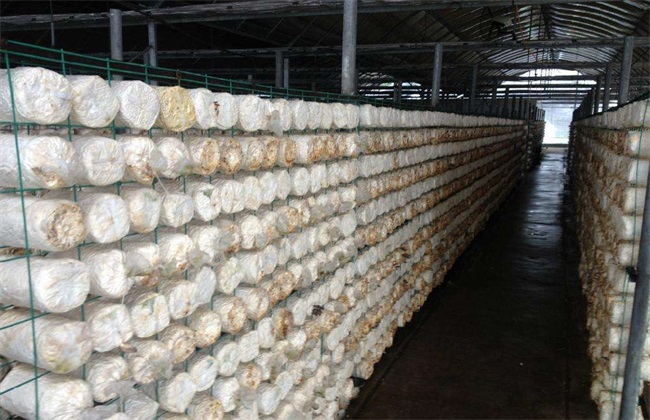
Oyster mushrooms are mostly cultivated in facilities such as greenhouses and polytunnels, so regulating indoor temperature and humidity is very important, since they cannot rely much on the outside environment for regulation. Most mycelium can grow at 5 to 35°C, but the optimal temperature is 20 to 30°C. For example, the optimal mycelial growth temperature for the purple-spored oyster mushroom (Pleurotus cornucopiae) is 24°C to 27°C, and the fruiting bodies grow at 13°C to 18°C.
2. Humidity
Oyster mushrooms like moisture; sometimes farmers place them beside water vats to let them grow. For mycelial growth, the cottonseed hull substrate needs 55% to 60% humidity, while wheat straw types need 70% humidity; at 50% it will not occur, and even if the ambient humidity is higher it still will not occur. Fruiting body growth requires relatively high ambient humidity, generally around 80% to 85%; they grow well at humidity between 70% and 95%, do not produce mushrooms when too low, and grow slowly when too high.
3. Nutrition
Once temperature and humidity are settled, the next most important thing is meeting nutritional needs: with nutrition, there is growth. Oyster mushrooms growing naturally break down the wood they parasitize to obtain nutrients. But artificial cultivation relies on a substrate, and the substrate can be a mix of many materials. If the raw material is single and the nutrients are insufficient, materials such as cottonseed hulls, corn cobs, rice straw and wheat straw can be used. The main requirements are carbon and nitrogen components; when these are insufficient, they can be supplemented artificially, for example by adding urea, lime or cake fertilizer.
4. Light
The environment needed for mycelial growth is relatively dark; dim light suits mycelial growth, and light other than red, orange, yellow and green light is harmful to mycelial growth. Fruiting body development needs sufficient light, so it should leave the dark environment; roughly, natural outdoor light is best. Too dark easily produces deformed mushrooms with long stipes and small caps and pale color, while good light lets the mushrooms grow normally.
5. Other
Mycelium needs a certain amount of carbon dioxide to grow well, but fruiting body growth needs enough oxygen and does not need much carbon dioxide. Substances such as carbon monoxide, sulfides and acetylene in the air will harm the mushrooms. Mycelium can grow at pH 3.5 to 9.0, but the best is pH 5.4 to 7.5.
The environment needed for cultivating oyster mushrooms has its own requirements in all the above aspects. During cultivation, suitable growing conditions like these should be created for the mushrooms as much as possible, so that oyster mushrooms will grow relatively well, quality will improve and yield will also increase, which naturally makes things better.