Detailed Explanation of the Key Field Management Techniques for Welsh Onions
Welsh onions are indispensable as both a staple and a vegetable in daily life, and no stir-fry is complete without them. They have an extremely high vitamin content, can effectively help prevent certain diseases, and can also relieve fatigue. Growing welsh onions is relatively simple, but to achieve high yields, field management techniques are very important. Below, let's take a look at the field management techniques for welsh onions.
1. Watering
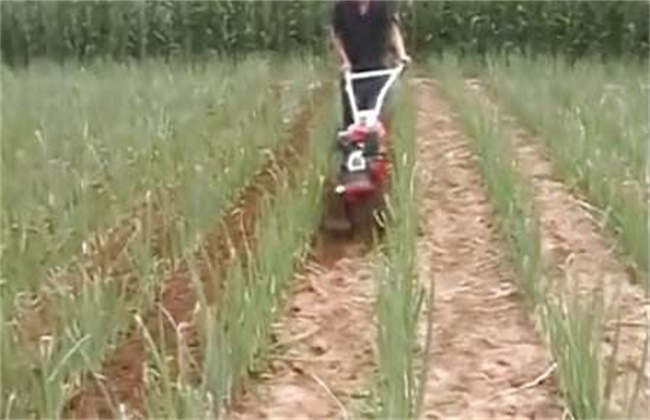
After welsh onions are transplanted, they enter the high-temperature summer period. At this time, the key management point is to promote root growth, so watering should be controlled, and after rain, drainage should be carried out to prevent waterlogging, so as to avoid root rot, yellow leaves, and dead seedlings. At the same time, intertillage should be strengthened to promote root growth. From the Beginning of Autumn to White Dew, the principle for watering is light watering and watering in the morning and evening. After welsh onions enter the peak growth period, the principle of frequent and heavy watering should be followed, watering once every 5 days. After Frost's Descent, temperatures are lower, and by then the welsh onions have basically grown to full size and need less water, so it is only necessary to keep the soil moist. Stop watering 5-7 days before harvest to facilitate storage and transport.
2. Topdressing
In addition to applying sufficient base fertilizer before planting welsh onions, topdressing should also be done in stages. After the Beginning of Autumn, plant growth accelerates and the fertilizer requirement increases. At this time, 1500-2000 kg of decomposed farmyard manure and 20-25 kg of superphosphate should be applied to promote leaf growth. After White Dew, the plants enter the peak growth period of the white stalk, which is the key period for yield formation in welsh onions. At this time, topdressing should be done twice in combination with watering, each time applying 15-20 kg of urea and 10-15 kg of potassium sulfate per mu, broadcast between the rows, followed by shallow intertillage and watering.
3. Hilling
Hilling is done to soften the leaf sheaths and prevent lodging, and it is an important measure for increasing the yield and quality of welsh onions. From the Beginning of Autumn to before harvest, generally 2-3 hillings are needed. The first two are done in combination with intertillage, banking the ridge soil into the onion furrows to fill the furrows level.
4. Pest and Disease Control
Common pests and diseases of welsh onions include downy mildew, black mold, purple blotch, leaf miners, thrips, and root maggots. It is necessary to accurately grasp the occurrence periods and symptoms of pests and diseases, and to vigorously promote the use of botanical pesticides, biological pesticides, or highly effective, low-toxicity, low-residue pesticides for timely green integrated control.
The above is an introduction to field management techniques for welsh onions. We hope it can help you. To learn more related knowledge, please stay tuned to us.