Detailed Explanation of Key Management Techniques for Prickly Ash at the Seedling Stage
Prickly ash is one of the common seasonings in our daily lives, with high economic and edible value. Its seeds have a hard shell and a thick oily waxy outer layer, making them difficult to absorb water and germinate, which often leads to uneven emergence or failure to emerge, making seedling cultivation quite difficult. So how should prickly ash be managed during the seedling stage? Let's find out together.
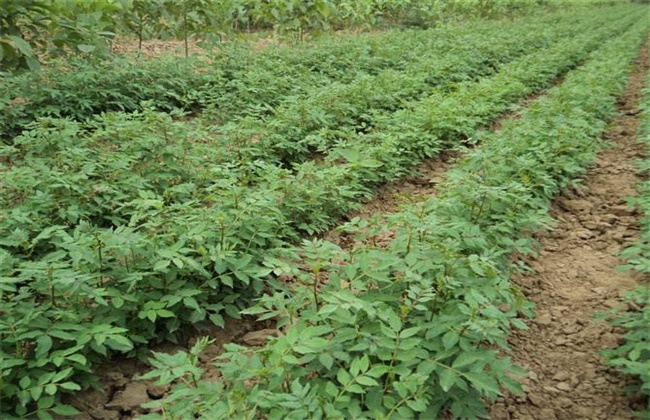
1. Thinning and Transplanting Seedlings
When the seedlings grow to 5-10 cm, thinning and final spacing should be carried out promptly. To cultivate strong seedlings, a plant spacing of about 5 cm should be maintained, with generally 20,000-30,000 plants established per mu. After thinning, the seedlings can be transplanted with soil to areas where plants are missing, or transplanted to other seedbeds for cultivation. The best time for transplanting is when the seedlings have 3-5 true leaves. Watering should be done 2-3 days before transplanting to facilitate digging up the seedlings while protecting the roots. Transplanting on cloudy days or in the evening can improve the survival rate.
2. Intertillage and Weeding
Intertillage can loosen the soil, reduce water evaporation, and remove weeds to prevent soil compaction, which is beneficial to the growth of the seedlings. During the seedling growth period, intertillage should be carried out 3-4 times, and at the same time, it is necessary to ensure that there are no weeds in the nursery.
3. Fertilization and Irrigation
After the seedlings emerge, rapid growth begins in mid-May, and they enter the period of vigorous growth in mid-to-late June, which is also when the demand for fertilizer and water is greatest. Topdressing should be combined with irrigation 1-2 times, mainly applying quick-acting nitrogen fertilizer to promote seedling growth. Generally, 20-25 kg of ammonium sulfate, urea, or compound fertilizer should be applied per mu as topdressing. Nitrogen fertilizer should not be applied too heavily, as this may be detrimental to the seedlings' overwintering. Before the seedlings emerge, flood irrigation should be avoided, as it easily causes soil compaction, making it difficult for seedlings to emerge and resulting in a low emergence rate. If the soil is too dry, appropriate sprinkling can be done. During the rainy season, attention should be paid to drainage and waterlogging prevention to avoid root rot caused by standing water.
4. Pest and Disease Control
The main aboveground disease of prickly ash is leaf rust, and the main pests are aphids and the prickly ash swallowtail butterfly. Leaf rust can be controlled by spraying carbendazim, and pests can be controlled by spraying omethoate. For underground pests, small furrows 3-5 cm deep can be opened between rows and omethoate solution can be sprinkled in.
The above is an introduction to the management techniques for prickly ash at the seedling stage. We hope it can help you. If you want to learn more related knowledge, please stay tuned to us.