Key Points of Soilless Cultivation Techniques for Spinach and a Detailed Guide to Growing Methods
Spinach can be planted all over the country. We have always used various growing methods such as container planting, container seedling raising, and protected cultivation, but all of these methods still rely on soil. Our country has many people and little land, and land resources are scarce, so through hard work people developed soilless vegetable cultivation methods, which can reduce pests and diseases, are convenient and easy to manage, and produce good growth. So what are the operating methods for soilless spinach cultivation? This article will introduce them.
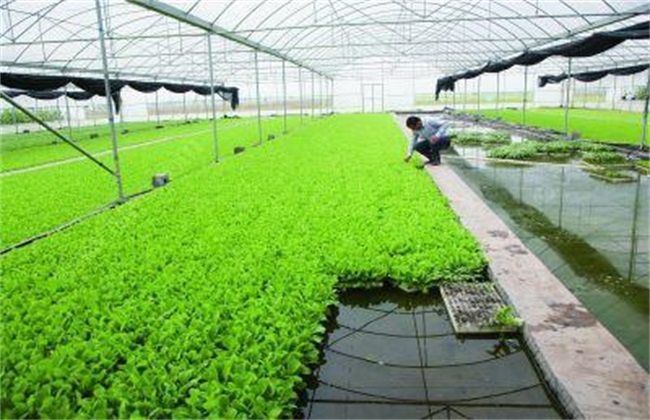
I. Seed Treatment
Before sowing, soak the seeds in hot water above 50 for 5 to 8 minutes. The seeds are rather thin, so the time is shortened; you must keep stirring the whole time without stopping, to avoid scalding the seeds. Or soak them in a chemical agent for 20 minutes. Then dry them and soak the seeds in warm water, about 25 to 30 degrees, for one or two days. Take them out, wash them, dry them, wrap them in a clean wet cloth, put them in an insulated box, and set it at the temperature for spinach germination to force sprouting.
II. Sowing and Seedling Raising
When the seeds have all cracked open, place them all in clean soilless seedling trays. Be sure to wash and disinfect the seedling trays, then put two seeds in each tray cell, and finally cover them with a mix of fine sand and plant ash, covering to a depth of about 2 cm. After watering thoroughly, observe the situation every day and water every day. In about three days the spinach seeds will sprout.
III. Cultivation
Set up the cultivation facilities and growing containers, then disinfect them, and prepare the nutrient solution according to the nutrient absorption characteristics of spinach. Then transplant the seedlings that have grown true leaves. After washing the roots clean, place one or two seedlings in a small container; generally put one strong seedling or two weak seedlings. Add a little water, place them in the solution, and in about a few days they will recover from transplanting.
IV. Cultivation Management
When cultivating in containers, pay attention to adding nutrient solution every day. Seedlings grow fast and need more nutrients, and the nutrient composition should differ from that prepared for mature plants. Generally, when planted in a 1-liter container, the nutrient solution should be kept at about 700 ml. The seedling stage needs a bit more nutrient solution than mature plants. The bottom of the spinach growing container must have space for the roots to spread.
V. Pest and Disease Control
Soilless cultivation rarely suffers from disease; instead, symptoms of nutrient deficiency or excess nutrients are more likely to occur. In addition, pest problems may occur if you are not careful. Aphids are the main possibility; aphids suck sap, so generally use 50% pirimicarb (Diafenthiuron) 2000-3000 times solution or 40% dimethoate 1000 times solution for control.
Spinach and other fibrous-rooted short-growing vegetables are very suitable for soilless cultivation. It is convenient to manage, makes it easy to produce high-quality vegetables, can reduce the area occupied, increase yield, and also allows multi-season planting and off-season cultivation. The above are the specific methods for soilless spinach cultivation, provided for reference.