What are the pest and disease control measures for sweet peppers?
Sweet peppers are one of the vegetables widely planted in China, and during cultivation they face threats from various pests and diseases. Improper control will lead to a decline in the quality and yield of sweet peppers. So what pests and diseases harm sweet peppers? Below, the editor brings you a summary of common pest and disease control techniques for sweet peppers. Let's take a look.
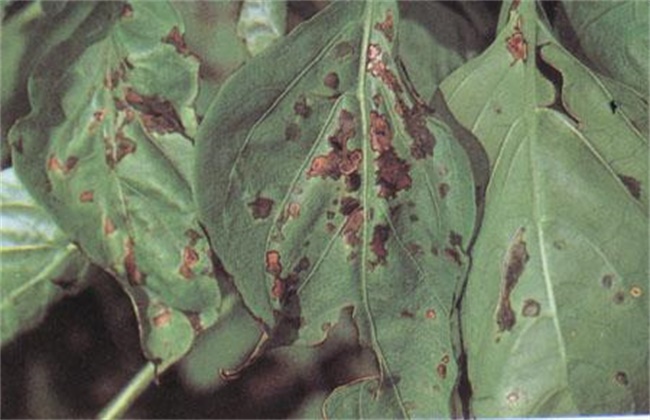
1. Leaf spot disease
It mainly harms the leaves of sweet peppers. In the early stage of the disease, yellow-green irregular water-soaked lesions appear, which expand into red-brown or dark green ones. The lesions vary in size, and when dry, they are mostly red-brown. Once infected, they expand extremely quickly. If individual leaves or most leaves of a plant are affected, the plant can still grow, but in severe cases it will cause defoliation. This disease generally involves the pathogen overwintering on seeds and diseased plant residues, then spreading through wind and rain, invading through wounds. Continuous cropping and continuous cropping with cruciferous crops lead to more severe disease, and it spreads very easily in hot and rainy seasons.
Control methods: Reasonable crop rotation, use of high-ridge cultivation, timely drainage after rain to avoid flood irrigation, seed dressing with chemicals for disinfection before sowing, thorough field cleaning after harvest, removal of diseased plant residues, and deep plowing. In the early stage of the disease, streptomycin sulfate can be sprayed for control, once every 7-10 days, for 2-3 consecutive times.
2. Phytophthora blight
When infected at the seedling stage, dark green water-soaked soft rot symptoms appear at the stem base near the ground, followed by damping-off or sudden wilting death; when adult plants are affected, dark green water-soaked lesions appear on the leaves, then expand and cause large areas of soft rot on the leaves, and the branches and leaves above the diseased part quickly wither and die; when the roots are affected, the diseased part at the stem base will encircle the stem. This disease is caused by the fungus Phytophthora capsici. The pathogen overwinters in diseased plant residues and soil, spreads through wind and rain, splashing water droplets and other channels, and produces pathogens at the diseased parts, which can cause multiple infections.
Control methods: The occurrence of this disease is closely related to temperature, rainfall and watering. The number and amount of watering should be controlled to avoid water accumulation in the field. When the ground temperature is too high, watering should be avoided as much as possible, and drainage should be timely after rain. In the early stage of the disease, ridomil can be sprayed for control; when the condition is more severe, fosetyl-aluminum can be sprayed for control.
3. Soft rot
Soft rot mainly harms the fruit. In the early stage of the disease, water-soaked dark green lesions appear on the fruit, then the fruit turns brown and rots until it completely rots. Diseased fruits often fall off or remain hanging on the branches, and turn white after drying up. The pathogen is a bacterial pathogen that overwinters with diseased plant residues in the soil, spreads through wind, rain and irrigation the following year, invades through wounds under suitable conditions, and after infection spreads again through cotton bollworms, tobacco budworms, wind and rain. It is prone to epidemics on rainy days and when humidity is relatively high.
Control methods: Reasonable close planting, timely transplanting, cultivating strong seedlings, timely drainage during the rainy season, strengthening ventilation, reducing humidity, and at the same time properly controlling fruit-boring pests such as cotton bollworms and tobacco budworms. When the disease occurs, streptomycin sulfate, streptomycin sulfate, and yeKuZuo can be used for control, sprayed once every 7-10 days, for 2-3 consecutive times.
4. Cutworms
Generally about one week after sweet pepper transplanting, fry cornmeal until cooked, mix it evenly with insecticides such as 50% phoxim or decis, and evenly scatter it on the surface of the pepper field in the evening, using 1-2 kg per mu. Apply once every other week, for 2-3 consecutive times, and it can also effectively control aphids.
The above is an introduction to pest and disease control measures for sweet peppers. We hope it can help you. If you want to learn more related knowledge, please stay tuned to us.