How to store and keep water bamboo fresh? These methods are very practical
Water bamboo is a relatively common gourd vegetable with a large market in China, and its planting area is also quite extensive. However, water bamboo has relatively poor storage quality, and improper storage can easily lead to discoloration, water loss, and hollowing. Therefore, the storage and freshness preservation of water bamboo is something we need to pay special attention to after harvest. So today, the editor brings you storage and freshness preservation methods for water bamboo. Let's take a look below!
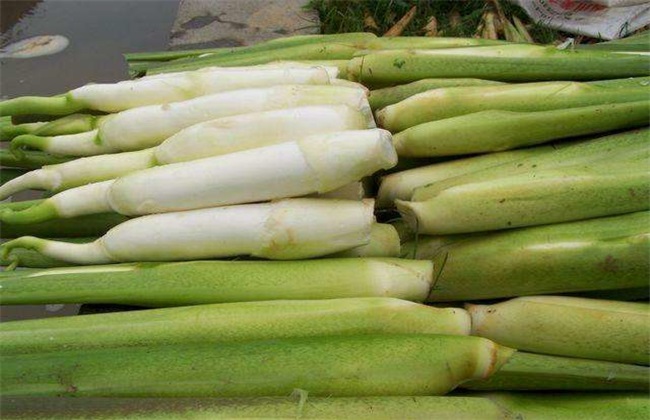
1. Heap storage method
After autumn-planted water bamboo enters the harvest period, the temperature has gradually dropped to around 20 degrees. So when the temperature is suitable, we can properly and simply store it on site after harvest. First choose a relatively cool place, spread film on the ground, and then stack the water bamboo neatly on the film. Control the stacking height at around 50 cm, and after stacking, cover the water bamboo with a layer of straw. Then water appropriately to maintain humidity. With this heap storage, it can be kept fresh for about one week. If you trim the base of the water bamboo flat and apply some alum, then it can be stacked for about 12 days, and just wash off the alum before transportation.
2. Cold storage method
The stem of water bamboo is wrapped by its leaves. During cultivation, when we find that a wasp-waist shape has formed at the water bamboo eye and the stem is thick, we can begin harvesting. When harvesting, attention must be paid to the method so that the cold storage method can be used for storage. When harvesting water bamboo, be careful to keep about 2-3 leaf sheaths, and place them in a 0-degree cold storage after harvest. In this way, it can be kept fresh for at least about 18 days, and at most up to 60 days. You can also remove the shells after harvest and put them in plastic bags, and the freshness preservation effect will be even better.
3. Soaking method
After harvesting the water bamboo, remove the shells and place it in a container with clean water. An appropriate amount of ice cubes can be put into the container to lower the temperature, and then place some heavy objects on the water bamboo to prevent it from floating. Let the water bamboo sink to the bottom, and then change the water frequently during storage to improve water quality and avoid water quality deterioration during storage, which can breed bacteria and cause the water bamboo to become infected with diseases. Similarly, we can also soak it in alum water at a ratio of about 1.5%. However, during soaking, the water must also be changed frequently, and foam should be removed, ice added, and the storage environment adjusted.
4. Transportation and storage
When transporting water bamboo, it must be transported with the shells on. After reaching the destination, remove the sheath shells of the water bamboo, and then carry out grading. Before packing and transporting, pick out the damaged, injured, diseased, and pest-infested water bamboo. Then prepare every 20 jin of water bamboo for harvest and market, arrange it neatly, and pack it in plastic bags. Tie them tightly to improve firmness, and then place them on the transport vehicle. After loading, cover the bags with a layer of oilcloth to improve their moisture retention. It is best to reach the market within 3 days to avoid the water bamboo spoiling.
The above is a brief introduction to the storage and freshness preservation methods for water bamboo. The storage and freshness preservation of water bamboo is very important. If stored improperly, it will seriously affect its planting benefits, so everyone must pay close attention! That is all for today's introduction. This article is for reference only. Thank you for reading and supporting.