How to Grow Okra for High Yield? A Detailed Guide to Key Cultivation Techniques
Okra has been a very popular vegetable in recent years, and its market demand in our country keeps rising every year. As a result, more and more people are growing okra, and market competition is naturally growing fiercer as well. Therefore, what farmers growing okra care about most now is how to increase okra yields and expand the benefits of cultivation. So today, the editor brings you the high-yield cultivation techniques for okra. Let's take a look below!
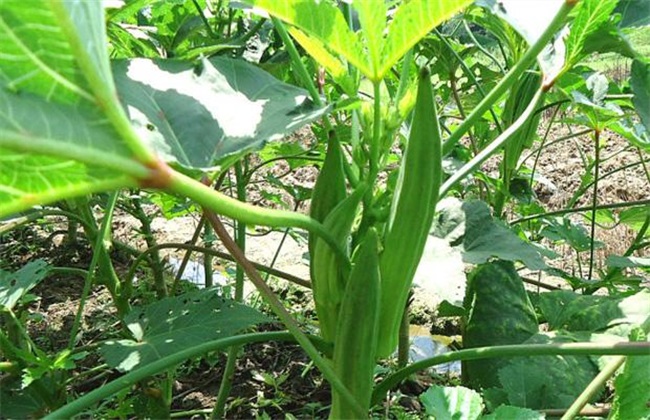
1. Seedling raising and transplanting
Okra is generally sown around March each year, mainly by raising seedlings in small tunnels. Before sowing and raising seedlings, be sure to prepare the nutrient soil properly, with farmyard manure as the main component and compound fertilizer as the main supplement. Then do a good job of seed soaking, leaving the seeds in warm water for about 14 hours, then removing them to promote germination. Once more than half of the seeds have sprouted white, they can be sown. The sowing method is mainly hole sowing, placing about two seeds in each sowing hole, and controlling the sowing density well. After sowing, cover with soil and film to enhance the soil's ability to retain heat and moisture. After about 5 days, the seedlings emerge; at this point, uncover the plastic film, do a good job of ventilation, and then thin the seedlings. When the seedlings have grown about 5 leaves, they can be transplanted at the right time.
2. Watering and fertilizing
Okra has a relatively strong growth capacity and also produces a fairly large amount of fruit. Therefore, during cultivation, you must ensure sufficient nutrients and water so that okra can effectively increase its yield. First of all, of course, you must apply sufficient base fertilizer, applying about 5000 kg of decomposed base fertilizer and about 50 kg of compound fertilizer per mu. After that, we must also do a good job of topdressing, reasonably supplementing the corresponding missing nutrients according to okra's growth condition and the soil's fertility. Then control the water properly; while ensuring that okra's water needs are met, be careful to prevent excessive water, avoiding root rot that can cause plant death and reduced yields.
3. Pest and disease control
No matter what you grow, pest and disease control work is essential, and okra is certainly no exception. Although okra has relatively strong disease resistance, pest and disease problems can still occur when growing okra. For example, cotton bollworm, anthracnose and so on all have a great impact on okra's growth and development. They cause okra yields to decline, and fruit quality is lowered as a result as well. Therefore, we should regularly carry out comprehensive disinfection in the field, and then do a good job of water and fertilizer management and other work. Achieve early detection and early treatment of pests and diseases, and minimize the losses caused by pests and diseases.
4. Timely harvesting
Harvesting also has a great relationship with okra yield. The edible part of okra is mainly the tender pods, and the harvest time of okra is also very important. It must not be too early or too late; if too early, the okra is not mature enough and quality declines. If too late, the fruit becomes over-mature, the fiber gradually ages, and quality and yield are also affected. Okra's harvest time should generally be controlled to about one week after the flowers fade; when the fruit grows to about 10 cm, the fruit quality is at its best at this time, so this is also the best time to harvest. When harvesting, be careful not to pull it off by hand; instead, use scissors to cut it off to prevent damage to the plant.
The above is a brief introduction to high-yield okra cultivation techniques. If you want high yields, then management work is very important. In addition to water and fertilizer, we should also do a good job of weeding, hilling up soil and pruning to promote okra growth. That is all for today's introduction. This article is for reference only, and we hope it can help everyone!