A Detailed Explanation of Okra Seedling-Stage Management Methods and Technical Key Points
The management work when planting okra is very important, and okra has different management methods at different growth stages. So when planting, we should reasonably adjust the management methods according to the actual growth conditions of the okra. Management during the seedling stage is especially important, as it directly affects the yield and the quality of the okra. So today, the editor brings you the management methods for the okra seedling stage. Let's take a look below!
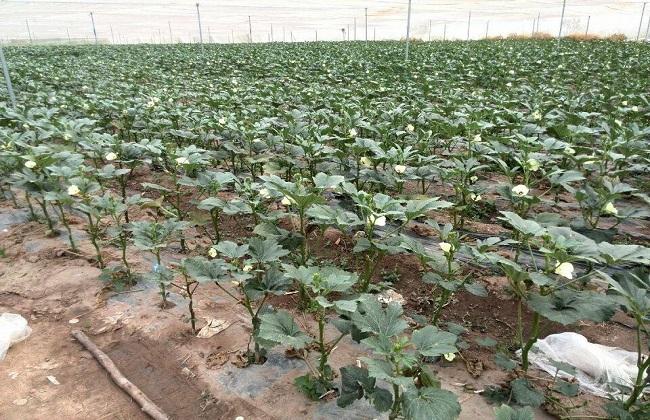
1. Water management
Okra likes to grow in warm places, and has relatively strong heat resistance and tolerance to drought and moisture. However, its tolerance to low temperatures is relatively poor, and it is not tolerant of waterlogging. If there is too much water during the okra seedling stage, then it can easily cause okra seedlings to develop damping-off disease. But water should not be too little either; if there is too little water, the growth capacity of the okra plants declines, resulting in insufficient quality. So during the okra seedling stage, the soil must be kept moist to meet the okra's water needs for growth. Then after harvesting the okra, deep plow about 30cm to mature and loosen the soil and improve the soil's water retention and moisture conservation capacity.
2. Seed soaking and fertilizing
In order to increase the germination rate of okra seeds, we need to soak the seeds before planting. First soak the seeds in warm water at about 30 degrees for 10 hours, then remove them, dry them, and place them at a temperature of about 28 degrees to promote germination for two days. When 50% of the seeds are found to have sprouted, they can be sown. Before sowing, in order to provide sufficient nutrients for the okra, sufficient base fertilizer should be applied, mainly farmyard manure, supplemented by compound fertilizer. Mix it with the soil and turn it into the soil. Then make beds and dig holes to prepare for sowing, sowing about two seeds per sowing hole, and after sowing cover with fine soil, strengthen management, and promote germination.
3. Thinning and final singling of seedlings
When the okra seedlings grow their first leaf, thin them in time, keeping the strong and removing the weak. When 3 true leaves have grown, the seedlings can be finalized, with just one seedling planted per seedling hole. After final singling, do good intertillage work to raise the soil temperature and achieve the purpose of retaining water and removing weeds. Also, during the seedling stage, weed frequently and bank up the soil reasonably to enhance the okra's lodging resistance. As just mentioned, the okra's moisture tolerance is relatively strong. So after the seedlings emerge, we should water appropriately, then water well for final singling, keep the soil moist, and improve the survival rate of the seedlings.
4. Pest and disease control
There are relatively many pests and diseases during the okra seedling stage, and if management is improper, the damage can be severe. Among them, common pests and diseases include viral disease, cotton semilooper, and so on. No matter what kind of pest or disease it is, during the planting process we should pay attention to doing good management work, focusing on prevention, reducing the incidence rate, and minimizing losses. When planting, we should frequently observe the growth capacity of the okra and achieve early detection and early treatment of pests and diseases. If any disease symptoms appear, then we should inspect promptly and then make the corresponding treatment.
The above is a brief introduction to okra seedling-stage management methods. Okra seedling-stage management is very important. When planting okra, you must pay close attention, otherwise it can easily cause losses and affect planting benefits. That is all for today's introduction. This article is for reference only. Thank you everyone for reading and supporting.