Okra Field Management Methods and Key Technical Points
Okra is a vegetable with very high nutritional value, and it has a large market in China and is favored by many people. Therefore, the annual yield requirements for okra cultivation are now getting higher and higher. So when growing okra, we should focus on increasing yield, and if we want to increase yield, field management is very important. So today, the editor brings you the field management methods for okra. Let's take a look below!
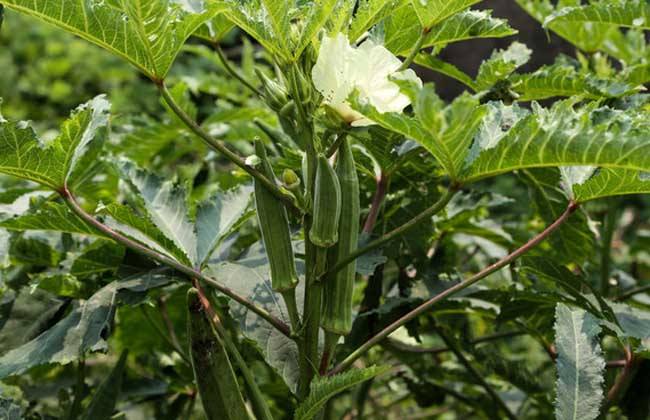
1. Intertillage and Weeding
After okra seedlings have successfully established, because the temperature is relatively low, intertillage should be done well to improve the soil's heat preservation capacity and promote the seedlings to recover as early as possible. Especially before okra enters the initial flowering stage, be sure to pay attention to intertillage and weeding, so that the seedlings can be properly restrained to promote root growth. After entering the flowering and fruiting stage, because okra grows faster, we should also water and fertilize appropriately after intertillage. Finally, before the plants close the rows, do intertillage again, and insert supports such as bamboo poles near the plants to improve the lodging resistance of the okra plants.
2. Reasonable Watering
During the growth process, okra has a relatively large demand for humidity and moisture. About three weeks after sowing, it should be watered appropriately; when the seedlings grow a little larger, mainly use furrow irrigation. In summer, not only is the temperature high, but it is also the harvest period for okra, so we should water about twice a day. Do not water at noon to prevent high temperature and high humidity from burning the seedlings. Also, control the amount of watering well and do not overwater, to prevent root rot and dead seedlings. So when planting okra, if we encounter the rainy season, we should drain accumulated water. Just keep it moist throughout the entire growth period of okra.
3. Scientific Fertilization
Okra also has a relatively large demand for nutrients. Before planting, in addition to applying enough base fertilizer, we should also do a good job of topdressing, pay attention to controlling the fertilizer ratio, and do not overapply or apply only nitrogen fertilizer, to prevent excessive vegetative growth of okra. After the seedlings emerge, carry out the first topdressing, mainly with urea, applying about 100kg per mu. Then after transplanting, carry out the second topdressing, applying compound fertilizer in furrows. Finally, during the flowering and fruiting stage, apply heavy farmyard manure and compound fertilizer. Then in the later growth stage of okra, topdress appropriately according to plant growth and soil conditions, to avoid premature senescence of okra caused by insufficient nutrients.
4. Plant Adjustment
Okra has very strong growth capacity. Under normal cultivation, the branches and leaves of the plant are thick and large, which will have a certain impact on flowering and fruiting. Therefore, we also need to do a good job of plant adjustment, mainly using the branch-twisting method, twisting and bending the leaf stalks downward to prevent excessive vegetative growth. Then in the middle and later stages, remove old leaves in time to improve field ventilation and light penetration, prevent excessive nutrient consumption, and enhance the disease resistance of the plants. During harvest, pinch the tips appropriately to increase fruit set. And if harvesting seed pods, then it can also promote maturity of the seed pods, increase plumpness, and enhance quality.
The above is a brief introduction to okra field management methods. Okra field management work is very important and is closely related to the quality and yield of okra, so everyone must pay more attention. That is all for today's introduction. This article is for reference only. Thank you for your reading and support.