Key Points of Eggplant Irrigation Techniques and Scientific Watering Methods
Eggplant is a vegetable planted in spring and harvested continuously through summer. In production, eggplant needs sufficient water but also shares a common trait with other nightshades: its fibrous roots fear flooding and waterlogging. Therefore, in the field management of eggplant cultivation, water management is especially important, requiring careful and targeted irrigation to avoid damage caused by insufficient or excessive water.
I. Water Requirements
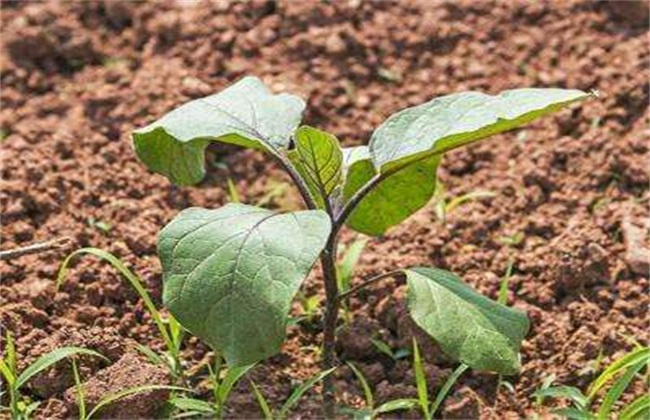
The root system has no taproot, or the taproot is not obvious, and the fibrous roots penetrate to a depth of about 10 cm, so when watering, water should be applied close to the root system. Also, water thoroughly and completely to ensure all roots absorb water evenly. However, precisely because the root system is weak, it is best not to use flood irrigation, nor to spray directly with a hose, as this easily causes soil erosion and exposes the roots. Eggplant has large leaves and needs sufficient water in the early stage to maintain leaf growth; in the later stage, mainly the fruit needs little water, so watering should be reduced.
II. Irrigation Methods
1. Sowing period
When planting eggplant, be sure to water the bottom water sufficiently; the entire planting area can be thoroughly watered once. At least let the water remain in the permeable layer to keep the deeper soil moist for a long time; the surface can be a bit drier to prevent frequent watering from causing high humidity that promotes seedling-stage diseases.
2. Seedling recovery period
Generally no watering is done. After the seedlings are transplanted, let the young plants adapt to the environment and encourage the roots to absorb water and take up nutrients on their own, laying a foundation for later growth. However, if the soil's water-holding capacity is too poor, a little water can be applied appropriately; do not let the seedlings lose water, as failure to recover and instead withering and dying would be bad.
3. Seedling stage
One week after transplanting, the seedlings should have recovered and returned to normal growth. At this time, water once to ensure leaf expansion for photosynthesis and to produce some of the nutrients needed for their own growth. This watering can be combined with hilling and watering to ensure water uptake, and it also benefits root growth. After this, no watering is needed until the first fruiting, excluding drought weather, of course.
4. Fruiting period
Once fruiting begins, water more and increase the frequency of watering. Generally, with sufficient watering at this time, the eggplants grow large with good color, are juicy with tender flesh, and avoid becoming old or cottony. It is generally best to water thoroughly in one application rather than little by little many times, which makes it hard to meet the needs of fruiting. Water thoroughly about once a week, continuing until fruiting stops.
III. Precautions
During heavy rain or consecutive rainy days, excess water should be drained away promptly. If it is too wet, some plant ash can be spread to absorb moisture, preventing pests and diseases caused by excessive humidity, as well as dead plants caused by root rot.
For open-field eggplant cultivation, the above covers water control. Irrigation and some other measures are our best methods for controlling water in cultivation. For eggplant, which needs water yet fears it, irrigation requires consideration of factors such as the environment and growth stage.