How to grow snow peas in a greenhouse? A full breakdown of the key cultivation techniques
Snow peas (Pisum sativum var. macrocarpon) are an annual climbing herbaceous food crop with a very large planting area in China. Snow peas are extremely rich in nutritional value, containing protein, carbohydrates and various other common nutrients. They also uniquely contain a phytohemagglutinin that can promote human metabolism. So today I will introduce the key techniques for greenhouse cultivation of snow peas. Let's take a look below!
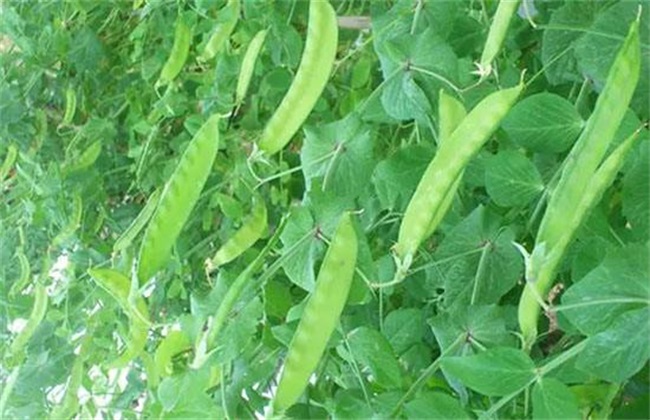
1. Land preparation and sowing
Snow peas are generally sown by direct seeding. Before sowing, sufficient base fertilizer must be applied per mu, mainly farmyard manure supplemented with compound fertilizer. Deeply till and level the soil, then make ridges and beds. When planting, to improve the germination capacity of snow pea seeds, the seeds should be pre-germinated before sowing. Then soak the seeds in water for about two hours, and then keep them at a temperature of about 6 degrees for about a week. When the sprouts grow to about 5mm, they can be sown. After sowing, water promptly, control the plant and row spacing well, and cover with soil to keep warm.
2. Field management
Field management of snow peas is also very important. During the period from sowing until the seedlings emerge, do not water, to prevent the seeds from absorbing too much water and cracking, which would reduce the emergence rate. After the seeds successfully break through the soil and enter the vegetative growth stage, pay attention to cultivating and weeding, water appropriately, and just keep the soil moist without cracking. When the vines of the snow pea plants grow to about 30cm, set up trellises to accommodate the climbing habit of snow peas. Then pay attention to watering: use small drip irrigation during the budding stage, and stop watering when the plants enter the flowering stage.
3. Appropriate fertilization
Because snow peas have a strong nitrogen-fixing capacity, they do not have a great demand for fertilizer during cultivation. However, this mainly depends on the variety. Many snow pea varieties have relatively strong growth capacity and are planted at relatively high density. So appropriate topdressing is also needed during cultivation; for these varieties, about three topdressings are needed throughout the entire growth period. Carry out the first topdressing during the vine-extending stage, mainly with farmyard manure. Then apply phosphorus and potassium fertilizer during the pod-setting stage to improve the plant's disease resistance and increase the pod-setting rate.
4. Pest and disease control
Pest and disease control for snow peas is also an important cultivation point. During the growing period, we must focus on pest and disease control. In addition to topdressing with phosphorus and potassium fertilizer, we should also frequently observe the growth of the snow peas, regularly disinfect the field, eliminate the source of pathogens in the field, and avoid some unnecessary losses. Then do a good job of management, prune diseased branches and leaves, and water and fertilize reasonably. When abnormal conditions are found in the plants, promptly investigate the specific cause, and then take the relevant measures.
The above is a brief introduction to the key techniques for greenhouse cultivation of snow peas. The cultivation techniques for snow peas are actually not very troublesome; just do some basic management work. That is all for today's introduction. This article is for reference only. Thank you for reading and your support.