How do you prune cotton plants? Master these technical key points
Cotton is a very important cash crop in China, and its planting area in China is very large. Moreover, with the increase in market demand, its planting area is still continuously expanding. Cotton is also a crop with strong growth capacity and a great many branches. Therefore, when planting, we must do a good job of pruning to ensure the normal growth of cotton. So today, the editor brings you the key technical points for cotton pruning. Let's take a look together!
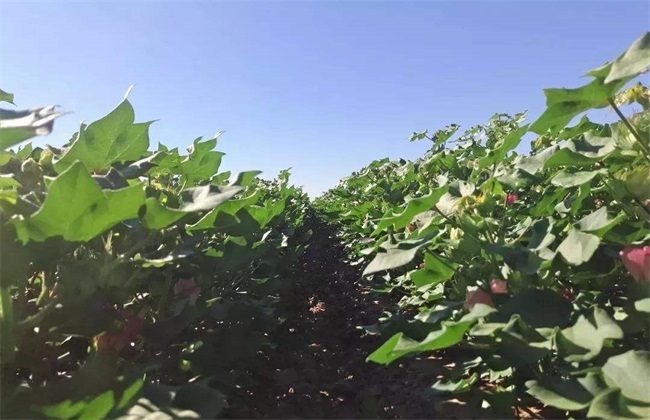
1. Pruning at the bud stage
After cotton growth enters the bud stage, its main growth direction is primarily vegetative, and the pruning work at this time mainly focuses on removing branches and leaves. Generally, it should begin after the first fruiting branch appears. Pruning at the bud stage can distinguish the types of branches, making it easier to grasp the pruning time, prevent it from being too late, avoid excessive nutrient loss, and promote ventilation and air permeability. At this time, remove old yellow leaves and leaves damaged by pests and diseases, then remove about 9 young buds from the 3 branches at the base of the cotton plant. Concentrate nutrients on the flower buds, promote early formation of cotton bolls, and prevent flower and boll shedding.
2. Pruning at the flowering and boll stage
Pruning at the flowering and boll stage mainly promotes the plant's reproductive growth and improves the fruiting rate and cotton boll quality. First, topping should be carried out, usually around July each year. When the fruiting branches grow to about 11 nodes, it is the best time for topping. It is best to remove the top all at once, and topping should not be done on cloudy and rainy days, otherwise it will greatly hinder the healing of the plant's wounds. After topping, properly spray a growth retardant to promote growth, and also pay attention to doing a good job of pruning the side shoots. Finally, remove buds and prune branches, remove some useless cotton bolls, and if there are too many buds, remove them in time as well to enhance the photosynthesis of the cotton.
3. Pruning at the boll opening stage
Under normal circumstances, after cotton enters the boll opening stage, pruning is no longer necessary. However, because field fertility is relatively high, for some plants with stronger growth, properly remove some branches and leaves at the base of the cotton plant stems to improve field ventilation and permeability. It can also reduce shading and improve the conversion rate of fertilizer. For some plots with excessive growth and poor field ventilation and permeability, we should also properly push the plants together to prevent the field from being too closed, reduce field humidity, and prevent excessive humidity from causing boll rot.
4. Chemical pruning
Chemical pruning is mainly a pruning method used for excessively growing cotton plants and plots that are greedy for green growth and late maturing. Through chemical pruning, the growth method of the cotton plant is shifted to reproductive growth, preventing the cotton plant from growing too vigorously, and doing a good job of pruning and chemical regulation. It should be noted that if the cotton field has insufficient fertility, lacks nutrients, and the plants grow too weakly, then it is not suitable to use chemical pruning technology. The pruning time should be carried out only during the full flowering stage, control the dosage well, and reasonably adjust the pruning time according to plant growth.
The above is a brief introduction to the key technical points for cotton pruning. The pruning work for cotton is very important and directly affects yield and planting benefits, so everyone must pay close attention to it. That is all for today's introduction. This article is for reference only. Thank you for reading and supporting.