How to Fertilize Houttuynia cordata? Detailed Explanation of Fertilization Management Techniques
Houttuynia cordata was originally a wild vegetable growing in many places in the south. Because it is loved by a particularly large number of people, some people began to seize the business opportunity and cultivate it. Growing Houttuynia cordata, like growing other vegetables, requires appropriate and careful management during the growing period, especially since growth is mainly promoted by fertilizer nutrients, so you need to learn how to fertilize it and at what stage fertilization produces better results.
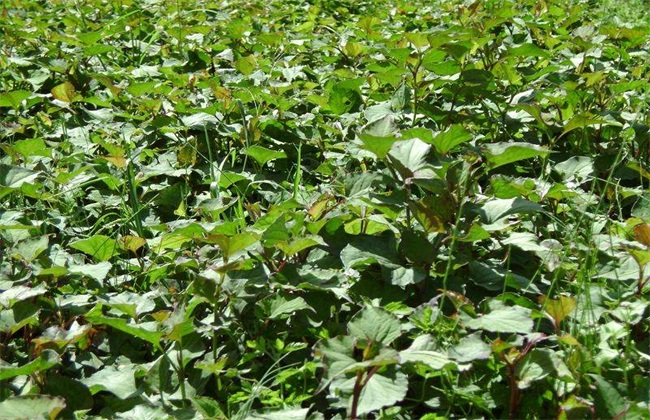
I. Fertilizer Requirements
Since what is mainly harvested is its rhizome, and its rhizome grows deep and spreads widely, and most plants grow connected in a single patch, fertilization must be comprehensive, and the fertilization site must reach a depth where all rhizomes can absorb nutrients. Also, apply more potassium fertilizer and less nitrogen and phosphorus fertilizer. Rooting requires more fertilizer and a longer fertilization period, so farmyard manure is best. The amount of fertilizer applied must be sufficient.
II. Fertilization Methods
Generally, basal fertilizer can be broadcast over the whole field combined with plowing to mix it into the soil; this way the fertilization range is wide and can help make the soil of the whole field fertile, which is conducive to continuous absorption. For topdressing, most of the time a quick-acting compound fertilizer can be broadcast directly on the surface without covering with soil, to avoid damaging the root system or causing the roots to age. In addition, fertilization can be combined with weeding and intertillage, which requires mixing with soil and then no further soil covering is needed. There is also foliar spraying of potassium dihydrogen phosphate during the vigorous growth period.
III. Fertilization
1. Basal fertilizer
Before sowing, apply it during land preparation, and after application, rotary till and mix it in thoroughly. For basal fertilizer, use farmyard livestock manure and compost of leaves and straw; do not apply poultry manure, as its high concentration damages roots. Generally, the application rate per mu is 2000 jin of farmyard manure, applied evenly. After applying basal fertilizer, water once within a week to aid absorption.
2. Topdressing
The first application is after emergence, when 2 leaves have grown and the plant height is 5 to 10 cm; mainly apply nitrogen fertilizer, such as urea, and generally it can be applied in furrows opened between the planting rows. Urea nitrogen fertilizer has high fertilizer efficiency; generally apply about 25 jin per mu, which can mainly promote leaf growth of the seedlings. The second topdressing is applied around Qingming, when rhizome growth is at its peak. At this time the rhizomes rapidly grow downward, so at this point apply farmyard manure plus a small amount of phosphorus fertilizer, and apply a small amount of potassium dihydrogen phosphate as a foliar topdressing. In the later period, observe whether nutrient deficiency occurs; if there is deficiency, topdress multiple times, and since Houttuynia cordata likes fertilizer, multiple topdressings can make the root system thick, white and tender. However, fertilization must stop one month before harvest to avoid wasting it.
If you want vegetables to grow well, they all need fertilizer to support them, and the same is true for growing Houttuynia cordata; it likes fertilizer and needs a large amount of it. If its fertilizer requirements can be met, then the growth quality and yield of this Houttuynia cordata are more than half guaranteed.