Management Methods and Technical Key Points for the Flowering Period of Luffa
Field management after planting luffa is very important and is the best way to maintain its growth, but the key point of field management is the management of the luffa flowering period. Generally, flowering indicates that luffa has moved from vegetative growth into reproductive growth, and at this point you must begin fertilizing and supplying water to promote abundant flowering and high-quality flowers, while also preventing physiological flower drop and thinning flowers to keep good flowers for fruit set. Below, let's look at how to manage these aspects.
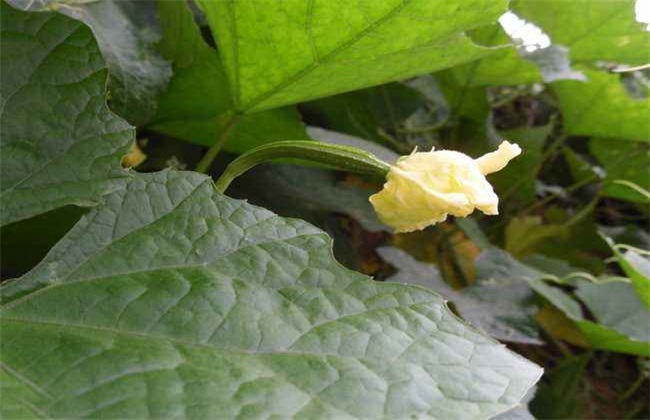
I. Sowing at the Right Time
Luffa generally flowers and sets fruit well under short-day conditions, so it is best to sow in winter and transplant in early spring, when the luffa flowering period can receive short-day conditions. If planted in summer, flowering will be delayed or difficult. Therefore, sowing and transplanting can be appropriately delayed or advanced according to the sunshine conditions of different regions.
II. Fertilizer and Water
About half a month before flowering, start applying more quick-acting compound fertilizer, reduce the amount of nitrogen fertilizer applied, or apply about 200 jin of farmyard manure per mu to ensure a continuous supply of nutrients throughout the flowering period. In addition, foliar spraying of boron fertilizer and phosphorus fertilizer provides the nutrients needed for flowering. Luffa has a weak root system and poor water absorption, so irrigation can be concentrated; lack of water will cause flower rot, with flower edges scorched and withered, and flowers drying out, rotting, and dropping from water loss. However, too much water may lead to infection with flower rot disease, causing dripping, foul odor, mold growth, and finally rotting and flower drop. In addition, boron deficiency in luffa. Calcium easily causes diseases such as style rot.
III. Preserving Flowers and Promoting Fruit Set
During flowering, luffa may experience physiological flower drop, that is, a sudden large amount of flower drop, which is unfavorable for fruit set, so during flowering spray naphthaleneacetic acid or 2,4-D to preserve the flowers and prevent them from dropping. However, the plant's nutrients are limited, and in order to set as much fruit as possible, flowers need to be thinned when there are too many; it is enough to keep 5 to 8 flowers on each vine. In addition, flower thinning should be carried out for each batch of flowers; thinning flowers is meant to concentrate nutrients, keep high-quality flowers, and concentrate the plant's nutrients to increase the fruit-setting rate and raise yield.
IV. Plant Pruning
After flowering, some excess branches and vines can be pruned to save nutrients and ensure nutrients for flowering, but do not remove the two leaves at the top of the flower, otherwise flower drop is likely; it is best to remove the lower old leaves, excess tendrils, and dense branches and vines. This can improve the internal space, increase photosynthesis, and reduce humidity to lessen disease occurrence and avoid flower rot. During the flowering period, prevent insects from damaging the flowers and causing flower drop.
The luffa flowering period requires attention to some issues, and management in all aspects must also be done well, mainly to preserve flowers through management, select and keep high-quality flowers to promote fruit set, and improve fruit quality. Therefore, the flowering period is the key management period in luffa cultivation and management.