What to do about broad bean lodging? Practical control methods are here
Broad bean, also known as fava bean, is a nutrient-rich legume. During its peak growing season, if management is improper, lodging is very likely to occur, causing a huge impact on both yield and quality. So what should be done about broad bean lodging? Below, the editor will introduce broad bean lodging control methods for everyone. Let's take a look.
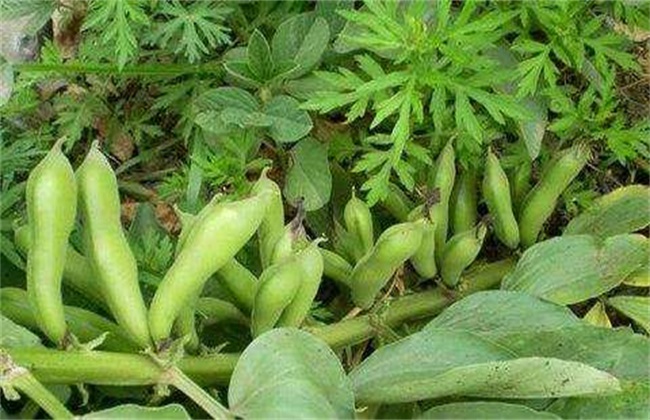
1. Reasonable close planting
When broad bean is growing vigorously, its growth rate is extremely fast, and it will become dense with branches and leaves in a short time. If planting is too dense, it will cause the field to be closed in, with poor air and light penetration, making plants very prone to excessive vegetative growth. Its stems are thin and weak, with poor lodging resistance, so lodging will occur. Therefore, reasonable close planting is necessary. When branches and leaves grow luxuriantly, top the plants at the right time to control plant height, make the stems grow thick and strong, and improve lodging resistance. Topping is best done when 40% of the branches have set their first pods. It is best to top on a sunny day, and it is enough to remove one bud and one leaf from the top.
2. Increase phosphorus and potassium fertilizer
Nitrogen fertilizer promotes plant growth, so many farmers apply nitrogen fertilizer when planting. However, broad bean is different from other crops. Its root system has a strong nitrogen-fixing ability, so nitrogen fertilizer application should be controlled during production. If too much nitrogen fertilizer is applied, it will cause excessive vegetative growth of the plants, also cause the field to be closed in, and lead to lodging. Therefore, during production, control the amount of nitrogen fertilizer applied and appropriately increase phosphorus and potassium fertilizer. Generally, at the early flowering stage, apply 5 kg of potassium chloride or potassium sulfate per mu, or apply 50-70 kg of plant ash plus 10 kg of superphosphate, mixed with fine soil and applied deeply. During flowering and pod setting, spray 0.3% potassium dihydrogen phosphate 2-3 times, which can promote pod expansion and gives a good effect.
3. Prevent waterlogging damage
The flowering and fruiting period of broad bean coincides with the rainy season. If measures to drain water and reduce moisture are not taken at this time, broad bean plants will suffer waterlogging damage and are very prone to lodging. Therefore, during production, drainage ditches must be opened well. When irrigating, irrigate and drain immediately, and also take good drainage measures during the rainy season.
4. Pests and diseases
Chocolate spot, rust, and fusarium wilt can all cause lodging in broad bean plants, so special attention should be paid during production, and pest and disease control should be strengthened. When diseases are found, spray promptly to control them. Carbendazim and thiophanate-methyl can be sprayed alternately, once every week, for 2-3 consecutive sprays, with a good effect.
The above is an introduction to broad bean lodging control methods. I hope it can help you. To learn more related knowledge, please keep following us.