What are the control methods for black rot in mustard greens?
Mustard greens can be pickled for eating or their seeds made into mustard, and the whole plant can be used as medicine, giving it a certain economic value. Generally, mustard greens suffer from few diseases when grown, but you should not let your guard down, because black rot of mustard greens occurs frequently, and the pathogen can survive in many environments. So you need to take it seriously. Next, I will briefly introduce the prevention and control of black rot.
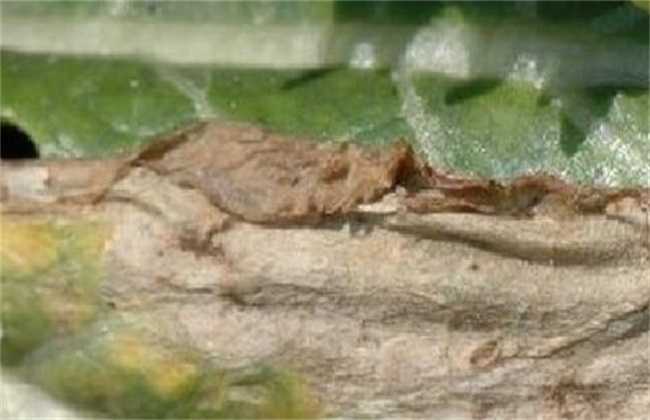
I. Symptoms of the disease
It mainly harms the leaves, but the whole plant can be affected, and it usually invades through wounds or tender parts. After being affected, yellow, withered diseased spots generally appear first at the leaf edges, then gradually spread inward, and the pathogen spreads along the leaf veins toward the stem, forming brown diseased spots. The leaves eventually become dry-rotten in appearance, but the stem may rot and fall off, and in the end all parts become dried out.
II. Causes of infection
It breaks out abundantly under high temperature and high humidity, dies below a low temperature of 5 degrees, and tolerates high temperatures. The initial infection may come from seeds carrying the pathogen, or the selected planting field may already have had the pathogen before. The pathogen can survive in the soil for several years and continue to cause damage. It can generally spread through irrigation water, wind, and farming operations. If water remains on the leaf surface after heavy rain, infection is easy. It can overwinter in diseased plant residues and soil.
III. Key points of prevention and control
1. Seed and site selection
Choose disease-resistant varieties, choose varieties that require less water and are more drought-tolerant, and choose varieties that adapt to high-temperature and rainy weather. Generally, the selected site should be land that has not previously grown host plants susceptible to black rot or land where black rot has not occurred, and it is best if no susceptible plants of the same kind are grown nearby.
2. Cultivation management
You can sow appropriately early to avoid the high-temperature and rainy weather of summer, and during transplanting, harden the seedlings to strengthen disease resistance and adaptability. Drain promptly after rain, and during drought, water promptly after the soil temperature drops. For irrigation, only keep the soil alternating between dry and moist; do not let it become too wet.
3. Seed dressing with chemicals
Before sowing, stir in 50-degree hot water for 10 minutes to sterilize, then after draining, soak the seeds for half an hour in a 300-fold solution of 45% amobam aqueous solution to sterilize and disinfect, then dry them before sowing to avoid carrying the pathogen. Use chemicals promptly at the early stage of the disease; generally, spray with a 4000-fold solution of 72% agricultural streptomycin sulfate soluble powder, spraying twice in a row, once every three days. If the spread is not controlled, promptly pull out severely diseased plants or even replace the soil, then switch to a 300-500-fold solution of 15% mixed amino acid copper · zinc · manganese · magnesium aqueous solution or 1500-fold 50% chloroisobromine cyanuric acid soluble powder for control.
Before black rot occurs, do a good job of prevention, which can reduce the possibility of disease occurrence to the greatest extent, and then control it promptly at the early stage of the disease to prevent it from spreading. Doing these things well can prevent the disease from occurring on a large scale.