Detailed Explanation of Key Points of Rice Seedling Raising and Transplanting Technology
Rice is a very important food crop in our daily lives, cultivated almost everywhere across the country, and is an indispensable crop. The main method of planting rice is seedling raising and transplanting. First, the seedling raising work must be done well to ensure the seed-setting rate of rice and increase yield. So how exactly should this be done when planting rice? Below, the editor brings you the rice seedling raising and transplanting technology. Let's take a look!
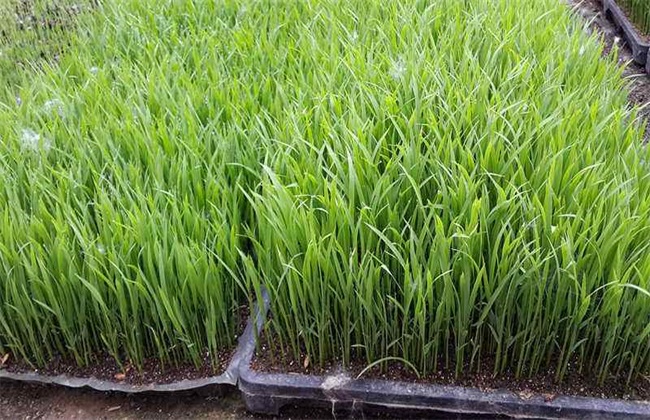
1. Seedbed Management
Before raising seedlings, first apply sufficient fertilizer to the seedbed, trying to ensure fertilizer throughout the entire plow layer, with base fertilizer mainly consisting of farmyard manure, compound fertilizer and micro-fertilizer. Then disinfect the seedbed well to eliminate pathogens in the soil, and take preventive measures against various diseases such as damping-off and cottony rot. Spray the disinfectant solution thoroughly and evenly, then do a good job of seed selection. Mainly use hybrid rice with high yield, high tillering rate and strong disease resistance. Control the seed quantity according to the planting area, do the conventional seed soaking and germination work well, and place the sprouted seeds in a normal temperature environment, spread them out to cool for about 12 hours before sowing.
2. Timely Sowing
The time for sowing and raising seedlings should be chosen about 4 weeks before transplanting. Press the seeds into the soil to increase the contact area between seeds and soil. After sowing, cover with fine soil. After sowing, the seedbed should be kept warm and moist. It is best to set up a frame shed, inserting an arch strip every 60cm or so, with the distance controlled at about 35 cm. Then fix it with soil and simply build a greenhouse. The temperature inside the shed should be controlled at around 31 degrees, not too high or too low. Under suitable conditions, it can effectively improve the growth ability of the seedlings.
3. Timely Transplanting
When transplanting, first plan the planting density in the field, then lift the seedlings at a position about two centimeters in the soil to prevent the seedlings from being injured. Transplant with soil to ensure fertility and also prevent floating seedlings. When planting, mainly use wide rows and narrow plant spacing, form ridges and insert along them. Control the transplanting quantity according to the soil fertility. When transplanting, also pay attention to controlling the depth, which must not exceed 2cm. Then do the management work well. After transplanting, the seedlings basically have no green-returning period, so the maturity time can be advanced by about 1-2 weeks.
4. Management After Planting
After the seedlings are transplanted, management work should be carried out reasonably. About one week after planting, appropriately apply tillering fertilizer as a top dressing. Improve soil fertility, ensure the seedlings have sufficient nutrition for growth, and promote seedling tillering. Then reasonably use herbicides and do a good job of weed control to prevent weeds from competing with the seedlings and affecting their growth. Then according to the growth of the rice, reasonably apply various fertilizers such as ear fertilizer and grain fertilizer as top dressings. To meet the nutritional needs of rice growth, water should also be reasonably adjusted according to the growth of the rice. A suitable growth environment is of great help to the growth of rice.
The above is a brief introduction to rice seedling raising and transplanting technology. The seedling raising work of rice is very important, and management work must also be done well. If managed improperly, it will have a relatively large impact on yield and quality, so everyone must pay more attention. That is all for today's introduction. This article is for reference only, and I hope it can be helpful to everyone.