Analysis of the Causes of Wheat Herbicide Damage and Remedial Measures
Weeding is carried out after wheat emerges and when it rains, but if even a little carelessness occurs, herbicide damage may arise, seriously affecting the growth, development and yield of wheat. So what are the causes of wheat herbicide damage? How should it be remedied when herbicide damage occurs? Let's take a look together.
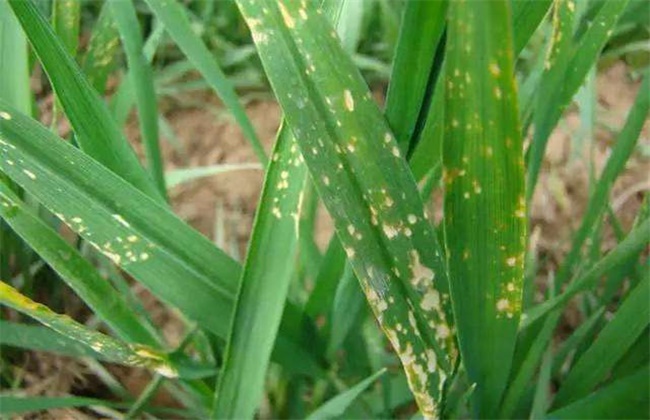
I. Causes of Herbicide Damage
1. Improper use of chemicals
Applying inappropriate chemicals during the growth of wheat is one of the key factors causing wheat herbicide damage. The main purpose of farmers spraying herbicides and other chemicals on wheat is to give wheat a good growing environment, but once too much chemical is used, the wheat seedlings will suffer herbicide damage. Inaccurate mixing ratios and failure to follow the specified dosage when applying chemicals, this series of mistakes will all lead to the occurrence of wheat herbicide damage, thereby affecting the growth and development of wheat.
2. Environmental factors
The occurrence of wheat herbicide damage is also deeply influenced by environmental factors. The occurrence of wheat herbicide damage is closely related to temperature, humidity and soil. Variable temperatures are the main factor in the occurrence of herbicide damage, and both low and high temperatures can cause herbicide damage. Wheat growth requires suitable humidity. Once the growing environment is too dry, the applied chemicals are difficult to exert their main effect, and increasing the number of chemical applications will cause frequent herbicide damage. If the humidity is too low, the chemicals will continue to spread with the water, increasing the full extent of the herbicide damage.
3. Improper use of chemicals
In the process of spraying chemicals, uneven spraying of the chemicals causes some wheat to receive an excessive amount of chemical and some wheat to receive too little, which is not conducive to its growth and development. Improper grasp of the timing of application will also cause herbicide damage. When applying chemicals, try to avoid the booting stage. When applying chemicals, pay attention to the cleanliness of the application equipment. Once application is completed, clean it promptly. If it is not cleaned and other chemicals are sprayed again, it will also lead to the occurrence of herbicide damage.
4. Chemical residues from the previous crop
Excessive use of chemicals on the previous crop will cause chemical residue problems when the subsequent crop is sown. Coupled with the influence of environmental factors, such as low air humidity and poor soil fertility, herbicide damage may occur. Once affected by herbicide damage, the germination rate of wheat is extremely low, and emergence will also be hindered, and the healthy growth of wheat will be seriously affected.
II. Remedial Measures
When herbicide damage occurs in wheat, once it is discovered, spray the wheat with clean water immediately. For the affected parts, carry out 4-6 rounds of clean water spraying to wash away the chemicals on the leaf surface and reduce chemical residues. Fully irrigate the affected area. When there is a large amount of water in the soil, the wheat root system will absorb a large amount of water, causing the water content of the cells to increase, diluting the chemicals and reducing the occurrence of herbicide damage. When herbicide damage occurs, with deformed growth and yellowing leaves, the healthy growth of wheat is affected. At this time, additional phosphorus and potassium fertilizer can be applied, so that the wheat obtains the elements it needs, improving the soil condition and prompting the wheat to recover. If the wheat suffering from more severe herbicide damage, such as dead seedlings and inability to joint and head, then promptly remove this affected wheat and replant in time, or promptly plant other crops to reduce losses.
The above is an introduction to the causes of wheat herbicide damage and remedial measures. We hope it can help you. If you want to learn more related knowledge, please stay tuned to us.