What causes wheat yellowing? Causes and control methods
Wheat yellowing is a phenomenon that occurs during the growth period of wheat, and in recent years it has shown a worsening trend, bringing huge economic losses to farmers. So what causes wheat yellowing? And how should it be controlled? Let's find out together.
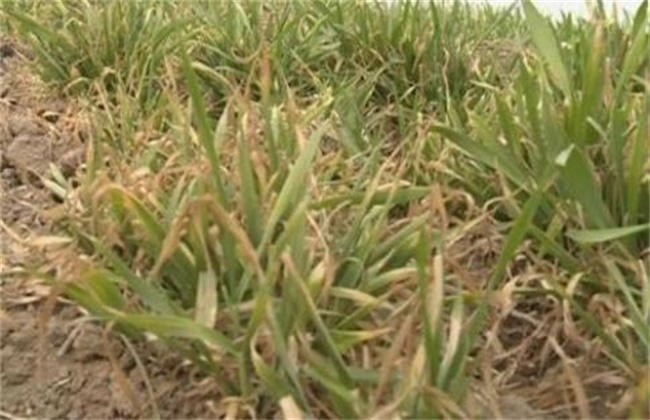
I. Causes of yellowing
1. Insufficient soil fertility
When soil fertility is insufficient, the plants gradually turn yellow due to lack of water and nutrients. The specific symptoms are few secondary roots, few tillers, dark green leaves, relatively yellow leaf tips, and the symptoms appear across the whole field, while nearby fields do not show these symptoms.
2. Non-standard planting methods
When sowing, the quality of land preparation is relatively poor, especially when straw is returned to the field too shallowly, when the soil is not firmly compacted during sowing, or when sowing is too deep. This leads to poor root development and exposed tillering nodes, and in the later stage the yellowing becomes severe.
3. Soil compaction
When the soil environment deteriorates, such as acidification and compaction, the root system of wheat has difficulty developing. If winter wheat has weak cold resistance, after greening up the nutrient transport of the root system cannot keep up, which causes the leaves to turn yellow.
4. Iron deficiency
When wheat seedlings are deficient in iron, the leaf veins lose green and turn yellow, and gradually the entire leaf loses green and becomes yellow-white.
5. Mosaic virus disease
Also known as spindle streak mosaic disease, it is an occasional disease in certain years. The disease infects at the seedling stage, and symptoms are not obvious under low temperatures in autumn and winter. When greening up the following year, the symptoms become obvious. After infection, yields generally decrease by about 10%-30%, and in severe cases by more than 50%, or even total crop failure.
II. Control methods
Adhere to prevention first and comprehensive management, identify the cause according to the disease symptoms, and take effective measures for control.
1. Yellowing caused by insufficient fertility
At the greening stage, apply 5-10 kg of urea per mu, and at the jointing stage apply another 12-15 kg of urea per mu, or apply 10 kg of diammonium phosphate in furrows.
2. Yellowing caused by non-standard planting methods
Winter irrigation should be carried out in time to promote the growth and development of the wheat root system, improve tiller quality, achieve the goal of rooting and strengthening roots, and also enhance the root system's ability to transport nutrients and the frequency of metabolism.
3. Yellowing caused by soil compaction
After the temperature rises and stabilizes, spray foliar fertilizer at the greening stage. After new roots grow out, water and fertilize, following the principle of small amounts applied multiple times. At the same time, break up the soil by intertillage to promote later wheat growth and minimize losses.
4. Yellowing caused by iron deficiency
Spray a 0.1% ferrous sulfate solution 2-3 times, which can supplement iron in time and has a good effect.
5. Control of mosaic virus disease
Choose varieties with strong disease resistance, promptly remove stubble after the previous crop is harvested, apply fully decomposed farmyard manure, and use microorganisms to inhibit the growth of pathogens. According to the temperature conditions of that year, sow later at the appropriate time to avoid the optimal infection period of the pathogen. Clean and disinfect farm tools when using them. Before sowing, coat the seeds with carbendazim, hymexazol plus insecticide and then sow. When the disease occurs, use carbendazim plus a small amount of urea to drench the roots 2-3 times, with an interval of 7 days each time.
The above is an introduction to the causes of wheat yellowing and control methods. We hope it can help you. To learn more related knowledge, please follow us.