What are the causes of dead wheat heads and the control measures?
In recent years, many farmers have found that dead heads often occur in the late growth stage of wheat, resulting in lower wheat quality and yield, with yield reductions of more than 50% in severe cases, bringing huge economic losses to farming households. So what causes dead wheat heads? How should they be controlled? Let's take a look.
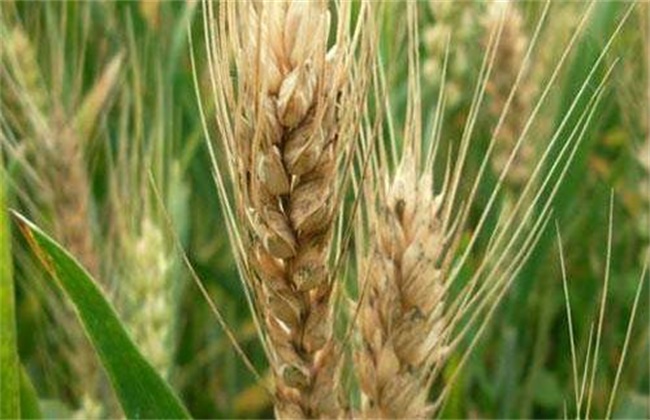
I. Causes of dead heads
1. Sheath blight. When the disease occurs, oval brown lesions appear on the leaf sheaths of the 1st to 3rd nodes at the base of the stem. After the pathogen invades the stem, brown oval eye-shaped spots form, causing necrosis of the stem, which ultimately leads to the death of the plant due to insufficient supply of fertilizer and water.
2. Take-all. The main symptoms are black feet and white heads. When the disease occurs, the roots turn brown or black, the plants are short and sparse, and the leaves gradually turn yellow. After flowering, the awns turn white, and the entire wheat head gradually becomes a white head, the roots rot, until the plant dies.
3. Root rot. The main symptoms are root rot and white, withered wheat heads. It can occur throughout the entire growth period of wheat. The pathogen invades the root system and seedlings and spreads with wind and rain. Damage is most severe after wheat flowering, ultimately leading to root rot and death of the plant from withered, yellow leaves.
4. Fusarium head blight. In the early stage, it appears as seedling rot and stem rot, and in the later stage as head rot. In the early stage of the disease, water-soaked light brown lesions appear on the glumes of the spikelets, and after gradual spread, a pink mold layer is produced.
5. Underground pests. Underground pests bite and damage the roots and stems, causing dead plants. Many farmers do not carry out timely chemical soil treatment when planting, so the number of underground pests gradually increases, especially wireworms, which have become more serious, often causing dead seedlings and missing seedlings.
6. Mechanical damage. Carelessness during intertillage weeding, topdressing, and irrigation operations can cause stem breakage, leading to damage of the transport tissues and causing dead wheat seedlings or dead heads. In addition, natural factors such as strong wind and rain and hail can also cause mechanical damage to wheat, resulting in dead heads.
II. Control measures
1. For dead heads caused by sheath blight, seed dressing with chemicals at sowing can effectively delay the onset of sheath blight by more than 100 days and also reduce the severity of later infection. Second, spraying Heguoli or triadimefon from the green-up stage to the jointing stage of wheat can effectively control the severity of the disease and reduce the number of later deaths.
2. For dead heads caused by take-all, promptly handle wheat straw and stubble after harvest to reduce the amount of inoculum in the field. Do not use seeds carrying take-all when sowing, or use chemical seed dressing at sowing. Both can provide good preventive effects and reduce the severity of the disease.
3. For dead heads caused by root rot, first, rotate crops; second, treat the soil by mixing carbendazim with soil and broadcasting it before plowing; third, use chemical seed dressing, or spray Heguoli and fenpropidin for control when the disease occurs.
4. Fusarium head blight. Spray chemicals for control in advance. Carbendazim or Heguoli can be mixed with 450 kg of water and sprayed unevenly on wheat heads. After rain, spray once more to ensure good results.
5. For dead heads caused by underground pests, chemical seed dressing and soil treatment can be used for control. Before plowing, mix isofenphos-methyl granules or phoxim granules with fine soil and broadcast evenly for a relatively good effect.
6. For those caused by mechanical damage, when carrying out intertillage weeding, topdressing, and irrigation operations, human mechanical damage should be avoided as much as possible. At the same time, rational close planting and scientific management should be adopted to prevent lodging.
The above is an introduction to the causes of dead wheat heads and control measures. We hope it can help you. To learn more related knowledge, please stay tuned to us.