How to grow cangmai (Sonchus brachyotus)? Detailed explanation of the key cultivation techniques
Cangmai, also called jumaicai (Sonchus brachyotus), is a perennial medicinal plant that can also be eaten as a wild vegetable. It generally grows on hillsides in the countryside and has high medicinal value, so it is suitable for artificial cultivation for food or for sale. It has extremely strong growth adaptability and good resistance, and it can grow well even if left alone, but what we are discussing here is how artificial cultivation can improve its quality through certain human techniques.
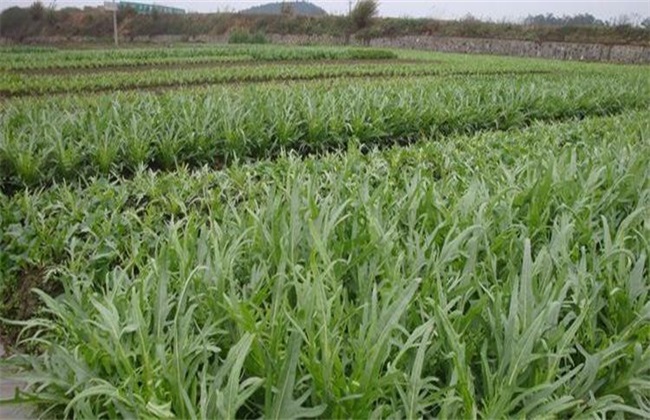
1. Seed collection
You can collect wild seeds when the seeds mature, and select robust plants for planting. But generally you can buy some good seeds, and after planting you can save your own seeds, which means you need to collect the seeds yourself. The seeds should be stored in a sealed, dry environment to reduce respiration, avoid excessive drying from moisture loss, and prevent failure to germinate.
2. Land selection
Cangmai is drought-resistant, salt-alkali resistant, and waterlogging resistant, and is suitable for cultivation in most soils. However, since cultivation pursues quality, you naturally need to provide the best growing environment. For example, drought will make the leaves rough and the quality poor. So it is best to choose flat land with good soil structure, deep and fertile soil, good drainage and aeration, and a slightly higher slope for planting.
3. Land preparation
Seeds generally can germinate at around 5 degrees, and the seed coat is not thick, so you can sow directly without soaking the seeds. However, before sowing, the soil needs to be thoroughly tilled and fine, to prevent large clods of soil from affecting seed germination. The soil also needs to be sun-dried to prevent underground pests. Pesticides can also be sprayed to kill insects. Drainage ditches also need to be dug, and an irrigation system arranged. Because artificial cultivation will reduce the resistance and adaptability of cangmai, before sowing it may also be necessary to spray the land with 50% carbendazim wettable powder or 70% thiophanate wettable powder to prevent disease damage.
4. Sowing
Generally, planting is done by sowing. Seeds generally germinate best at a temperature of 18 to 25 degrees, and the required humidity is about 65%. The planting spacing is about 5 cm, and the row spacing is about 20 cm. Sowing is generally done by hole sowing, with 2 to 3 seeds per hole. The soil covering after sowing is generally about twice the thickness of the seed, about 2 cm thick. Emergence takes about a week, and after emergence the temperature can be appropriately raised to 30 degrees and it can still tolerate it. After the seedlings emerge, they cannot be exposed to strong light immediately; they generally grow better under weaker light.
Through the above introduction, everyone has learned about cangmai and also understands how to grow it, so you should roughly know how to cultivate cangmai. If you want to learn more, you can continue to follow future content updates.