What should be noted when growing barley? These key points need to be mastered
Barley is an important food crop, as well as a relatively high-value cash crop and a feed crop for livestock. Barley is grown over a wide area and has a long cultivation history, with fairly well-established growing experience in production. So today, instead of talking about how to grow it, let's briefly go over what details we need to pay attention to during cultivation.
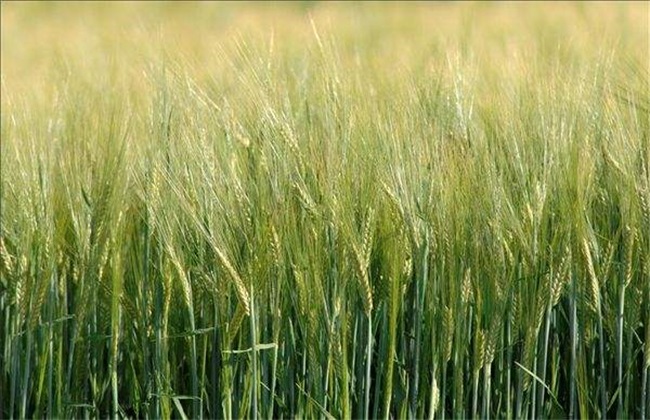
1. Field selection
To make barley grow vigorously and produce plump grains, the barley field should be chosen with deep, fertile soil that is well aerated and retains fertilizer. For convenient harvesting, the barley field is best located in a flat, wide area with easy access. Before planting, the soil should be deeply plowed and loosened, which supports the growth of the barley root system. This lays a solid foundation for robust plant growth.
2. Sowing
Before sowing, the seed must first be selected and treated. It is best to choose short, sturdy varieties with high yield and resistance to lodging. Sowing is determined by the conditions of different regions. It is mainly decided by temperature, so it just needs to be adapted to local conditions; it is best to plant in November, when temperatures are broadly similar across regions where barley is commonly grown.
3. Field management
Barley seedlings differentiate early and grow quickly, with well-developed seedling roots that can absorb large amounts of nutrients. Therefore, management needs to be carried out in advance. Barley is highly tolerant of poor soil and can adapt and grow even in barren land; it only needs a little fertilizer and water and a guaranteed temperature - not too low, which would affect flowering, pollination, fertilization and grain setting. Then it can grow even better.
4. Controlling water and fertilizer
Before planting, the drainage and irrigation system should be repaired, and water should be drained promptly on rainy days. Base fertilizer is applied together with land preparation, at a rate of about 1000 jin per mu, mainly farm machinery manure. When transplanting, apply nitrogen fertilizer, and topdress no fewer than twice. During the growing period, water to prevent drought, but do not irrigate too much, as this easily causes root rot. After planting, topdress with nitrogen fertilizer once. Later, topdress reasonably, about three times in total. At the jointing stage, topdress once, mainly with quick-acting potassium fertilizer.
5. Harvest in time
At the dough stage, when barley ripens, is the best time to harvest. If it becomes overripe, it easily shatters and is lost, and it easily sprouts when it rains. So harvest on time to avoid losses.
When growing barley, pay attention to these small details above so that barley can grow well and achieve the goals of abundant yield, high yield and increased yield, creating economic value and maximizing benefits. Only by doing the above work well can you grow high-quality barley.