Key Technical Points and Planting Methods for Intercropping Peas Explained
Peas are a commonly planted leguminous vegetable, and in production they can often be intercropped with many crops, not just grown alone. Intercropping can eliminate and prevent some pests and diseases, increase soil fertility, improve light use efficiency, and also provide shade and suppress weeds. As long as the intercropped crops adapt to each other and promote each other, they can be grown together. Next, let us look at which crops can be intercropped with peas, what the benefits are, and how to do the intercropping.
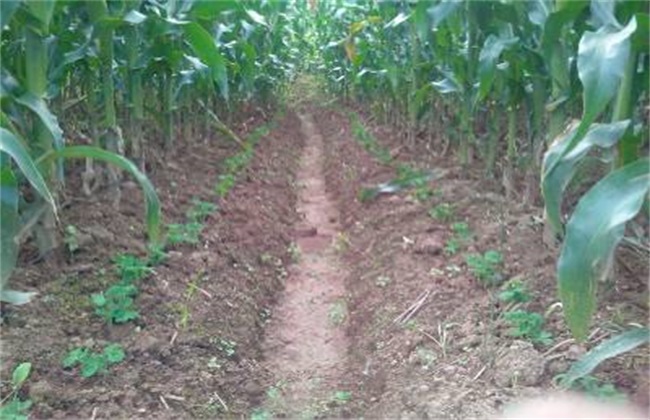
1. Intercropping peas with corn
First sow peas in the field in strip planting, leaving rows for corn in the middle and on both sides. Generally, about three rows of peas are planted, then two rows are left for corn, and rows are left in this pattern. Sow the peas first, and after the peas emerge and gradually grow to about 30 cm, when they can be staked, the corn can be sown. After the corn emerges, it quickly joints and grows tall, and generally the two do not restrict each other. The peas soon flower and set pods, while the corn is still in the vegetative growth stage, so their nutrient demands do not conflict and can be supplemented separately. When the peas set pods, the corn can block part of the strong light for them and prevent water loss during the day. After the peas are harvested, the corn enters the flowering stage, and the dried pea residues can be turned into the soil as fertilizer for the corn.
2. Intercropping peas with tobacco
After the lower and middle leaves of flue-cured tobacco have been harvested, peas can be sown. When tobacco is planted, the rows are relatively wide because of the leaf length. In addition, after the lower leaves are picked, there is enough space between the rows, so peas can be directly drilled between the rows. After the peas emerge, the upper leaves can maintain a warm and humid environment for the pea seedlings. When they grow to the point of needing stakes, the tobacco leaves and buds have been mostly harvested, and this is the peak growth period for peas, so they will not compete with the tobacco for nutrients and water and can receive enough light for normal growth. Moreover, tobacco stalks can be used to make a net for staking, which saves manpower and material resources.
3. Fertilization for intercropping
For base fertilizer for vegetable peas, use mild farmyard manure, about 300 jin per mu, and some compound fertilizer can also be added. The fertilizer can be diluted with water before use, because the pea root system is mainly fibrous roots and is not strong, so root damage should be avoided. After staking, apply topdressing once. The topdressing is mainly compound chemical fertilizer broadcast directly on the soil surface without covering with soil. In addition, foliar spraying fertilizer supplements potassium, boron, molybdenum and other trace elements. For corn base fertilizer, apply about 50 jin of compound chemical fertilizer, 50 jin of plant ash and about 100 jin of human and livestock manure. During the grain-filling stage, apply urea as topdressing to promote ear formation. Tobacco fertilization can be carried out as usual, but more base fertilizer can be applied during land preparation so that it lasts longer; applying base fertilizer for peas between the rows midway is not very convenient. After that, topdressing can be carried out according to its own needs.
Peas can be intercropped with many crops to maximize the use of land resources and create more economic benefits, but intercropping must minimize the conflicting growth between the two, and this is the best way and main purpose of efficient pea intercropping.