How to grow peanuts for high yields
Peanuts are a very popular food crop in our daily lives; they can be eaten as a snack and are also an important oilseed crop, with very high market demand in our country. The most important issue for everyone growing peanuts now is increasing peanut yields, which is closely tied to their own economic returns. So how exactly should they be grown? Below, the editor will give everyone a brief introduction, so let's take a look!
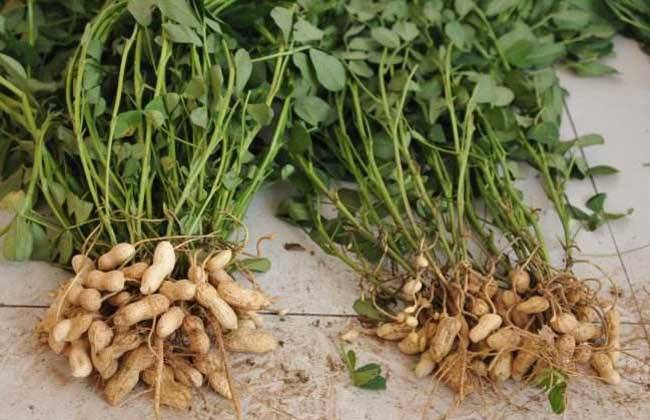
1. Reasonable pruning
Pruning is one of the main measures for ensuring peanut yields, as any friend with fruit-growing experience should know. Reasonable pruning work can promote the sprouting of new side branches and increase the fruit-setting rate. In fact, it can also be used when growing peanuts. After peanuts begin to show flower buds, promptly prune away weak branches, diseased branches, and branches that do not flower on the plant. Do a good job of retaining branches according to the plant's growth vigor: keep about 4 branches for strong-growing plants, and reduce to 3 for weak ones. This not only prevents excessive nutrient consumption and concentrates nutrients in the branches and pods, but also increases the number of peanut branches and the fruiting rate, improving seed quality.
2. Covering pegs and topping
After peanuts enter the flowering stage, flower pegs appear, and flower pegs are an important part of peanut yield. After the flower pegs enter the soil, they develop into pods, so the more flower pegs there are, the higher the yield will naturally be. However, nearly half of peanut flower pegs cannot enter the soil on their own, so we should properly tread the seedlings to increase the amount that enter the soil and raise the fruiting rate. And because the top growth capacity of peanuts is very strong, about half a month after the full flowering stage, the topping work should be done well: cut off the main stem and keep about two side branches. Dwarf the peanut plant, increase the number of flowering branches, enhance photosynthesis, and raise the yield.
3. Supplementary nutrition
Peanuts have a very large demand for nutrients during growth, and the ones related to yield are naturally calcium and phosphorus. If nutrients such as calcium and phosphorus are lacking, it will cause peanut leaf buds to wither, reduce pod setting, and lower seed quality. Therefore, when growing them, we must do a good job of supplementing calcium and phosphorus. During the pod-setting period, apply an appropriate amount of superphosphate or foliar fertilizer to meet the peanut's demand for calcium and phosphorus. Then there is the supplementation of trace elements such as molybdenum and boron. In the early flowering stage and growth period, do a good job of supplementing trace elements and mix in an appropriate amount of agents such as potassium dihydrogen phosphate, which can effectively increase the yield.
4. Pest and disease control
Pests and diseases are the main cause of reduced peanut yields. When growing peanuts, if management is poor, diseases such as leaf spot and pod rot are very likely to occur, affecting the peanut's flowering and fruiting and causing the yield to be seriously affected. Leaf spot will affect the peanut's photosynthesis, leading to insufficient accumulation of photosynthetic substances, and the quality of the pods will also be affected. Therefore, we should do a good job of prevention, strengthen management, and disinfect regularly. Then we should frequently observe the growth of the peanuts, and when abnormal conditions occur, promptly find out exactly what disease it is, and then promptly treat it accordingly.
The above is a brief introduction to how to grow peanuts for high yields. If you want to increase the yield, management work is very important. Therefore, everyone must pay close attention to it. That is all for today's introduction. This article is for reference only, and I hope it can help everyone!