What Causes Rapeseed Seedling Death? Detailed Explanation of Prevention and Control Methods
Rapeseed is a major oilseed crop, widely cultivated in both northern and southern regions, and various diseases occur during the growing process. However, sometimes rapeseed plants show the same symptom but it is not caused by the same damaging factor; for example, rapeseed seedling death may be caused by disease, or it may be caused by pests. It may also be a physiological injury caused by weather. So why not take a look together at what actually causes rapeseed seedling death and how it should be handled.
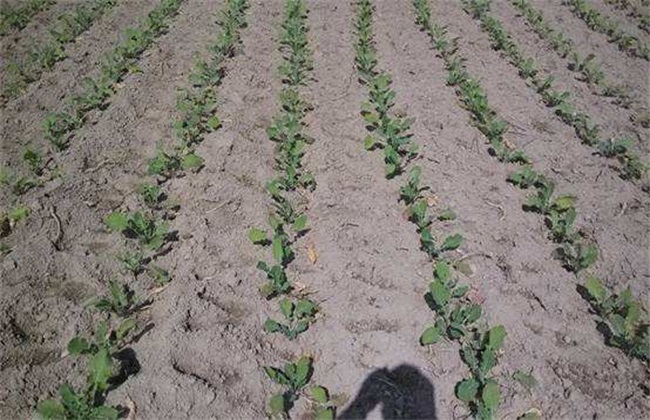
I. Causes
1. Pests
Aphids gather to suck leaf sap, causing leaves to wither and turn yellow, and in severe cases the seedlings die; severe damage from cabbage white butterflies or flea beetles can also cause seedling death. Under high temperature, frequent rain and high humidity, diseases such as viral disease and downy mildew will occur and spread in large numbers.
2. Moisture
Severe drought during the sowing period, or consecutive rainy days, can cause the seeds to die and fail to emerge, which is equivalent to the death of the seedlings. After the seedlings emerge, heavy rain or water accumulation in low-lying areas can cause root rot, and the seedlings die because they cannot breathe. If irrigation is not timely during drought, it can cause an irreversible state of water loss and withering and death, or if watering is done at noon on a sunny day during drought, seedling scalding can occur.
3. Density
If the planting density is too high, the seedlings do not have enough growing space and do not receive enough light, and underground they must compete for water and nutrients, so some seedlings will weaken and gradually die. Or if sowing is too early, the seeds are not adapted to the temperature after emergence and suddenly die.
II. Preventive Measures
1. Prevent diseases and pests
When aphids are found, spray to control them, preventing them from sucking leaves and transmitting viral disease. Once a small number of seedlings with downy mildew are found in the field, be sure to promptly spray chemicals to control the outbreak and prevent the pathogen from multiplying in large numbers and worsening the disease.
2. Control water
Before sowing, check what the weather will be like in the coming period, and then if drought occurs at the seedling stage, be sure to water by flooding every evening shortly after the drought occurs to restore growth. If there is heavy rain or continuous overcast and rainy weather, inspect the ditches and drain promptly to prevent water accumulation, and spread a certain amount of plant ash to absorb moisture and prevent disease from high humidity.
3. Seedling management
Rapeseed is generally planted in November, so raising seedlings in October in advance is sufficient. Do not plant too early; plant only after the growing temperature is reached. When sowing and raising seedlings, be sure to use seedling trays with well-divided specifications to ensure each seedling has enough growing space and they are not competing with each other for nutrients. Alternatively, when raising seedlings in a seedbed, thin and transplant the seedlings in time after they emerge evenly.
From sowing to emergence, and then to seedling management after transplanting, these are all fragile periods for rapeseed growth and require careful management; otherwise, direct seedling death in rapeseed will consume a large amount of time for replanting and growing supplementary seedlings, wasting manpower and material resources for nothing. In general, prevention should still be the main approach, with treatment and improvement as a supplement.