What are the key management techniques for tomatoes after transplanting?
Tomato is a very common vegetable in our daily lives, and it can also be eaten raw as a fruit. Nowadays, many people grow tomatoes, and growing tomatoes first requires raising seedlings. After raising seedlings, transplanting is carried out according to the growth conditions. The management work after tomato transplanting is very important and directly affects the yield of tomatoes. So today, the editor brings you the management techniques for tomatoes after transplanting. Let's take a look!
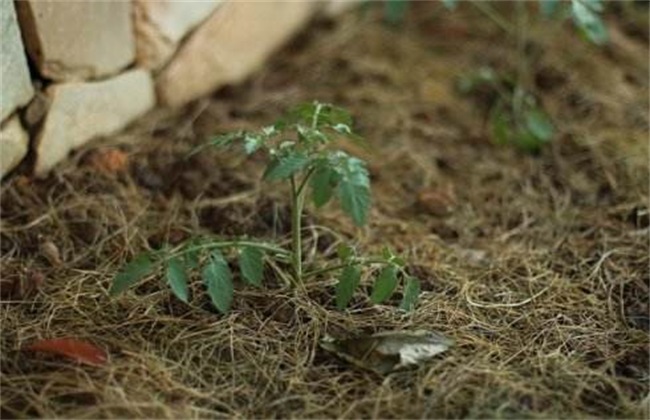
1. Temperature control
After tomato transplanting, the greenhouse should be properly sealed to increase the air temperature and soil temperature inside, promoting the recovery of the seedlings. After the tomato seedlings pass the seedling recovery stage, the daytime temperature can be controlled at around 26-27°C, and the day-night temperature difference should be maintained at around 10°C. After passing the seedling recovery stage, when the tomatoes enter the flowering and fruiting stage, the temperature should be appropriately lowered to 23-24°C, while the nighttime temperature can be increased to around 17°C. Temperature is very important for tomato growth. We can regulate the greenhouse temperature well through methods such as covering with straw and reasonable ventilation.
2. Humidity control
Different growth stages of tomatoes have different humidity requirements. During transplanting and seedling recovery, the humidity requirement fluctuates greatly, generally around 35%-90%. After entering the flowering and fruiting stage, the humidity should not be too high. The soil moisture content should be maintained at around 66%, and the air humidity should be maintained at around 55%. After the tomatoes enter the fruiting stage, the humidity can be appropriately increased to around 75%, and the air humidity can be increased by 5%. If there is a water shortage during the fruiting stage, then watering should be done well. Carry out ventilation to reduce humidity. If the temperature is above 12°C, then ventilation can be carried out all night.
3. Fertilizer and water management
In the early growth stage of tomatoes, the soil should be kept alternately dry and moist, and when the fruit is ripe and ready for harvest, the soil should be kept moist. When watering during the seedling recovery stage, apply an appropriate amount of fertilizer according to the planting area. During the seedling recovery stage, urea is the main fertilizer. When the first cluster of fruit grows to about the size of a ping-pong ball, apply an appropriate amount of urea and potassium sulfate. During the swelling stage of the second and third fruit clusters, carry out the third topdressing. In the early flowering stage, spray an appropriate amount of foliar fertilizer, about once every half a month.
4. Pruning and removal of side shoots
When the plant grows to about 25 cm, the vine hanging work should be done well, the support frame should be set up well, and then as time goes on, the vines should be tied once every about 18 cm of stem and leaf growth. The main pruning method for tomatoes is double-stem pruning, keeping one side branch on the first inflorescence of the main stem. Actually, it mainly depends on the tomato variety. If it is an indeterminate growth variety, then single-stem pruning is the main method. All pruning is carried out for the purpose of improving field ventilation and light penetration, promoting tomato growth, and increasing yield.
The above is a brief introduction to the management techniques for tomatoes after transplanting. The management work after tomato transplanting cannot be ignored, and everyone must pay more attention to it. That is all for today's introduction. This article is for reference only, and I hope it can be helpful to everyone!