Key Points of Tomato Pruning Techniques and Detailed Explanation of Correct Operation Methods
Tomato is a vine-type cultivated vegetable with vigorous growth and strong branching ability. Therefore, in manual cultivation, in order to facilitate management, to support the tomato's growth condition, increase the fruit-setting rate, and improve fruit quality, a series of pruning techniques are generally used to shape and train the plant. This achieves the above cultivation goals. However, some growers who have not accumulated much experience are in great need of the shaping and pruning content I am about to discuss.
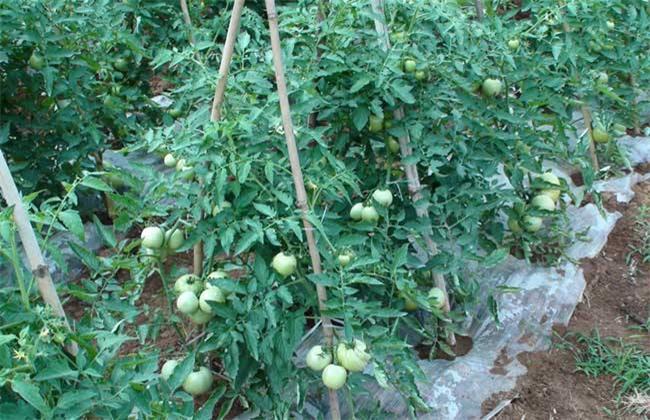
I. Purpose of Pruning
Pruning is first of all to improve the tomato's growing environment, lower the temperature and humidity inside the plant, and prevent disease. It can also allow the inner leaves to receive light better and carry out photosynthesis to produce more nutrients. Another purpose is to concentrate nutrients to supply the strong branches and vines and the growth of the fruit, reduce unnecessary consumption, and avoid a decline in fruit quality. At the same time, pruning into a suitable shape is to facilitate field management and make future harvesting convenient.
II. Pruning Time
Pruning is generally carried out in summer. In spring, the plant is mainly growing; by summer, the branches and vines grow vigorously and affect reproductive growth and fruit quality, so pruning and shaping are needed to balance growth.
III. Pruning Methods
1. Single-stem training
The main point is to keep only one main stem, then remove all the side branches that sprout. When the main stem has 3 to 4 fruit clusters, the growing tip can be pinched off to remove apical dominance and stop the main stem from growing further. When removing side branches, generally 2 leaves should be left to ensure development and also to prevent injury to the main stem. When pinching the growing tip, be careful to stay farther from the fruit cluster and leave more leaves above the fruit cluster. This prevents fruit drop caused by a lack of photosynthetic nutrients.
2. Double-stem training
Double-stem management means that, on the basis of single-stem training, one strong side branch below the first flower cluster is selected as the second main stem, and from then on all side shoots and buds on both main stems are removed. The growth of the two stems is maintained. Generally, the second main stem is managed as a fruiting branch. All the properly pruned branches and vines should be tied to a trellis, which is beneficial for upward growth.
The above are the main methods for tomato pruning and shaping. Maintaining a reasonable and fixed plant form has a great supporting effect on its growth, and can also bring great convenience to the manager. It is very beneficial for increasing yield and improving quality. At the same time, this necessary step must not be missed in production.