Planting Techniques and Management Methods for Oenanthe javanica
Oenanthe javanica, scientific name Apium repens (three-leaf celery), is a common wild vegetable in rural areas of southern China, usually growing along roadsides, ditches and hillsides. It is a common seasonal wild vegetable in spring. It is a delicious, tender wild vegetable, and also a special medicinal herb used in traditional Chinese medicine. It can be used to treat dysentery and poisonous sores, as well as traumatic injuries such as bruises and sprains. So in fact, Oenanthe javanica can also be cultivated artificially. Next, let us look at some examples to see how it should be planted.
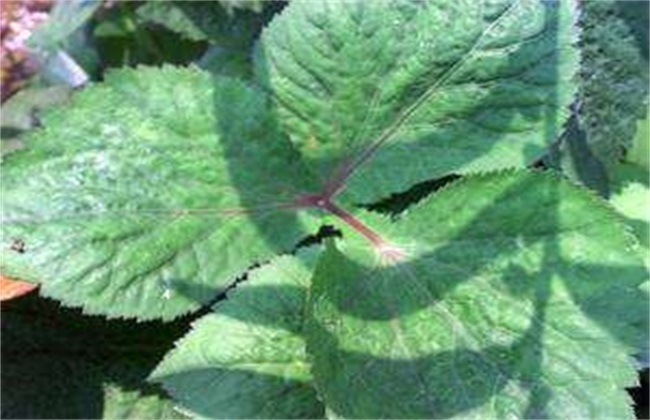
I. Seed Selection
Three-leaf celery has two cultivated varieties, large-leaf and small-leaf. At present, there are few improved cultivated varieties in China, and most are wild species. Therefore, in production and cultivation, the Japanese Kansai variety is generally chosen. This variety has dark green leaves, bolts relatively late, and has strong resistance and adaptability.
II. Sowing and Seedling Raising
1. Seed Treatment
Because terrestrial cultivation is prone to diseases and pests, hydroponics is generally used, and hydroponic operation is generally similar to that of lettuce. So first prepare sponges and a seedling tray. First use salt water of a certain concentration to select seeds, removing shriveled, damaged and small seeds, then soak the selected seeds in a container with continuously flowing water for one day, wash off the brown layer on the surface, then soak them in a carbendazim solution for half a day to disinfect the seeds, and finally put them into an incubator to germinate. Maintaining a temperature of 25 degrees is most suitable for germination.
2. Sowing
First fill the seedling tray with water, then soak the sponges thoroughly and place them on the seedling tray, then evenly place the seeds on the sponges. Maintain a certain ambient temperature of about 20 to 25 degrees, and maintain a certain moisture level; the water can keep the sponges at a constant temperature. After the spring seedlings are uniform, the water in the tray can be poured out, and the prepared nutrient solution can be applied to promote growth. The nutrient solution must ensure that the pH value is at a concentration suitable for it, until the root system grows out of the sponges; by then the seedlings are roughly ready and can be transplanted.
3. Transplanting
Transplanting should be done in deep, fertile sandy loam soil to ensure good growth. Generally, planting can be denser than for other vegetables, with a plant and row spacing of about 8 to 10 cm. When transplanting, let the root system spread out naturally, and after planting, water with rooting water so that the roots contact the soil and quickly take root. Before transplanting, apply a certain amount of base fertilizer, preferably nitrogen fertilizer, mainly for the leaves, and apply less potassium fertilizer to prevent the stems from aging and affecting the taste.
In production and cultivation, we should note that in addition to knowing how to plant, there are some other details. In fact, wild varieties can also be domesticated and planted by oneself, but it is certainly not so easy to do. For such a delicious wild vegetable, artificial cultivation allows year-round planting, so there is no need to wait bitterly for spring.