What are the precautions for growing cotton? Keep these key points in mind
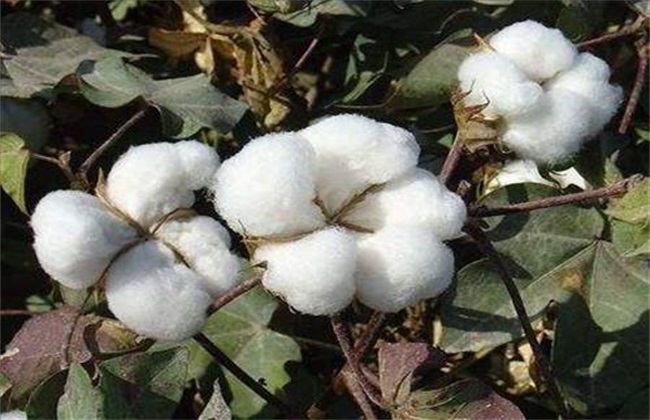
Growing cotton has its own unique cultivation method, because cotton is the main raw material for making fabric and is used very widely in daily life. Cotton needs to stay white and clean, dry, free of disease, and soft. Therefore, during production and cultivation, you must pay attention to ensuring quality through specific management measures. For what exactly to watch out for, please read the content below.
1. Drip irrigation
Growth stops under high summer temperatures. At this time, timely drip irrigation is needed to keep cotton buds from dropping. In July, drip irrigate once every five days, each time until the water penetrates and moistens the soil. From August to September, drip irrigate once a week, maintaining 50% moisture content. If humidity is too high, cotton tends to grow overly long.
2. Fertilization
Fertilization is mainly done at the bud stage. This is the main period of plant growth. Apply more fertilizer to weak cotton seedlings so they can catch up with the growth progress of the others. Do not apply nitrogen fertilizer in a biased way, as it will cause excessive vegetative growth. Apply roughly 50% nitrogen fertilizer, 20% phosphorus fertilizer, and 30% potassium fertilizer. Urea and monopotassium phosphate can be applied. Cotton definitely needs a certain amount of boron fertilizer, so it can be supplemented in an appropriate amount.
3. Preventing premature aging
Shallow root distribution, thin stems, red spots on some leaves, leaf yellowing, and roots turning brown are the main signs of premature aging. Maintain the suitable moisture content needed at each stage. Spray pesticides as little as possible to avoid phytotoxicity. Spray trace element fertilizer on the leaves to prevent cotton nutrient deficiency symptoms. In the later stage, when the top leaves expand and elongate and the space becomes closed, some old leaves need to be removed to improve the environment, ventilation, and light penetration.
4. Weed control
In spring, when weeds have just emerged, herbicides can be used on those with weak root systems, while those with strong root systems can be pulled out directly. In summer, weeds grow vigorously, so remove them by hand in time. Do not leave them until autumn, to prevent seeds from dropping. Avoid competition for water and nutrients.
5. Pest control
The main pests harming cotton are cotton aphids and red spider mites. Generally, pesticides are sprayed, using several different pesticides alternately. This avoids developing pesticide resistance, which would otherwise force continuously increasing doses and cause phytotoxicity to cotton. Generally, preventive control is used, spraying thoroughly. Spray pesticides on a sunny afternoon or on a cloudy day so the pesticide can take effect.
The issues to note when growing cotton are actually all related to the actual growth of cotton. The main points are the content I introduced above. However, in real production, due to differences in environment, variety, and other factors, the things to note will also differ, so you can pay attention accordingly on your own.