What are the precautions for growing jicama? Explained clearly in one article
Jicama, also called yam bean, is generally planted in spring in the south and harvested in autumn. It is mainly eaten for its swollen fleshy root and is the best fruit for cooling and relieving summer heat. Many cultivated varieties have now appeared. Some experience has been accumulated in growing it. But what should be noted in production and cultivation is also something everyone needs to understand, and it may include things you had not thought of.
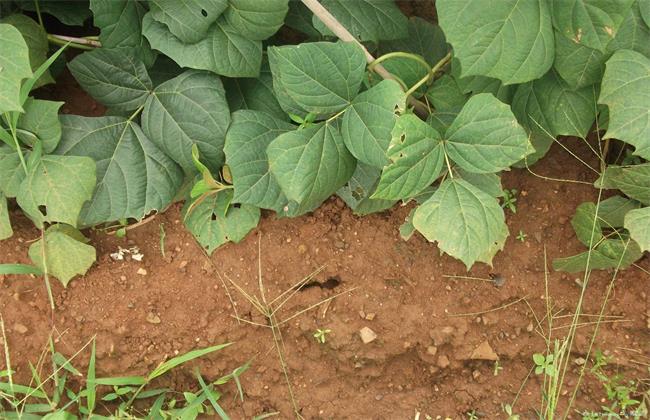
1. Site selection and land preparation
The root of jicama is swollen and rich in water, so when choosing a sowing site, the soil must be loose and deep, moist, and close to a water source. Irrigation should be convenient, and it should generally be in a relatively sunny place. This is conducive to root growth and swelling and to absorbing water and nutrients, and sunlight can also increase photosynthesis and increase the sugar content of the root. Before planting, plow the land, carry out intertillage, level the land, water thoroughly, and spray certain chemicals to avoid root infection by disease.
2. Sowing and thinning seedlings
Jicama seeds have a relatively thick and hard seed coat. To promote early germination, the seeds can be soaked in warm water before sowing to hasten germination, so they grow faster after being planted in the ground. However, jicama itself has strong vitality, and in warm areas it can also be direct-sown. Direct sowing can enhance the adaptability and growth vigor of the seedlings. The sowing density must be reasonable, and the plants must not compete with each other for growth space. If raising seedlings, after the seedlings emerge evenly, pull out the weak, diseased, and yellowed seedlings, but if directly sowing in the field, you only need to first set the spacing between rows and plants and reseed where seedlings have not emerged.
3. Control fertilizer and water
Before emergence, water a small amount once every three days to maintain 60% moisture. After emergence, apply a light fertilizer solution once to promote growth, and afterward apply fertilizer solution once every week until before flowering. Do not water during the flowering period, and apply compound phosphorus and potassium fertilizer plus trace element fertilizer to assist the transition to reproductive growth. During the swelling period, a large amount of water is needed to maintain the water content of the root and to transport nutrients made by the leaves, so water once every 5 days, but only when the soil appears dry. Generally, keep the soil below 2 cm of the surface moist. A dry surface makes it less prone to disease. Apply additional compound fertilizer to balance leaf and root growth.
4. Trellising and pruning
When the seedlings are about to grow vines, begin trellising. Trellising is to give the plants enough growing space, receive enough sunlight, and avoid crowding and shading. During the vigorous growth period in summer, keep the main flowering vines and prune off excess branches, which can reduce nutrient consumption.
In the process of growing jicama, many issues need attention, but we are mainly talking about the main points that should be noted. Doing the work that should be noted above well will reduce many problems that arise in management and lighten the burden on the manager.