Key Points and Methods of Rice Irrigation Technology Explained
Rice is a major food crop worldwide, and most of the population relies on rice as a staple food. It is widely cultivated around the world and has a cultivation history of several thousand years. It mainly grows in water, so irrigation is very important for rice and directly affects its growth and yield. Today let us learn about rice irrigation technology together, understand the impact of irrigation on rice growth, and in the future be able to control rice growth by regulating water levels.
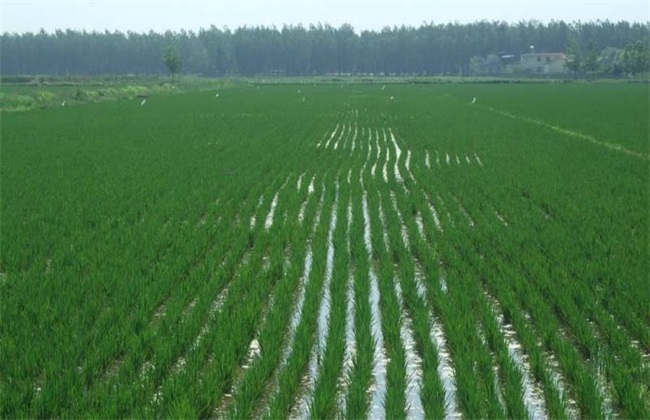
I. Water Requirement Characteristics
Rice can only grow well mostly in water. Generally, the nutrients absorbed by the roots need water for transport, and the nutrients from leaf photosynthesis also need water for transfer. The large amount of water transpired from the leaves at ordinary times needs to be replenished to keep the stems and leaves upright. Fertilizer needs to be dissolved in water for better absorption; and the depth of the water can also regulate the environmental temperature in the field. Water in the field has a certain effect of preventing insects and washing away toxic substances.
II. Water Requirement Stages
1. Germination Requirements
Rice has the characteristic of sprouting in water and growing roots in warmth. Maintaining a moist shallow water layer at about 70% is beneficial for seed germination, and the shallow water layer can stably maintain a suitable temperature.
2. One-Inch Water for Turning Green
Transplanting damages the roots, while transpiration does not decrease, so balance should be maintained. It should be planted in shallow water of about 3 cm, keeping warm and moist, restoring growth, and promoting rooting and turning green.
3. Shallow Water for Tillering
During the tillering stage, a shallow water layer can be maintained for a while, then no water left for a while, so that the roots receive sunlight, promoting low-position tillering and root growth.
4. Controlling Tillering by Sun-Drying the Field
At the late tillering stage, the water should be removed and the field sun-dried to control ineffective tillering, increase the heading rate, enhance the lodging resistance of roots and stems, and strengthen the stems to improve plant resistance.
5. Shallow Water for Booting
During stem elongation and booting, the water requirement is greatest. About half a month before heading, irrigate 3 cm. After the water has completely infiltrated, irrigate 3 cm again about 3 days later to promote heading.
6. Moist Grain Filling
During the grain-filling stage, do not irrigate for a long time; generally alternate dry and wet. That is, irrigate 2 cm, then irrigate again 3 days after it dries, repeating until maturity. This can improve the grain-filling rate, increase the 1000-grain weight, and turn yellow for maturity. Stop irrigating to facilitate harvesting.
Water runs through the entire growth period of rice. Maintaining different irrigation amounts at different stages promotes the water requirements of rice at each stage, coordinates growth, and balances the needs of vegetative and reproductive growth. This achieves the goal of good growth and high yield.