How to grow peas for high yields? Detailed explanation of key cultivation techniques
Peas, also called vegetable peas, are a vegetable native to China and are generally planted in spring. The tender pods can be eaten, or you can wait until they mature and shell the peas to eat. They are a commonly grown legume vegetable in the south. Most people have eaten peas, but have never grown them. So if anyone wants to grow them yourself, you can take a look at the brief introduction to pea cultivation below.
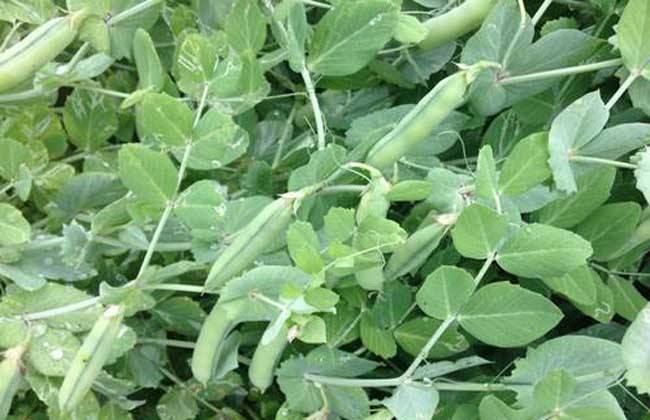
I. Site selection and land preparation
Although the pea root system is not deep, it still needs to grow in fertile soil with a well-structured profile, preferably soil with good aeration and fertilizer retention. Heavy clay soil easily causes roots to be unable to breathe, while the aboveground parts turn yellow. Its soil pH requirement is neutral to slightly acidic, which is most suitable for growth. The land should first be deep plowed once, then rotary tilled once to break up the soil, after which base fertilizer is applied and mixed into the soil, and then fine, crumbly planting soil is spread over the base-fertilized soil. Expose to strong sun and spray with pesticide. Plant after one week.
II. Seed selection and sowing
For seed selection, choose varieties with strong disease resistance and strong branching ability. Generally, seeds do not need soaking or germination promotion; they only need to be dressed and disinfected before sowing. In the Yangtze River basin, planting is mostly done in spring, but it can also be planted in autumn. For sowing, you can make low ridges one by one, then on the ridges dig small holes 5 cm deep at 20 cm intervals, place 2 seeds in each small hole, cover with soil and water thoroughly. When the seedlings have mostly emerged, reseeding can be done. You can also raise seedlings in a seedbed and then transplant them.
III. Fertilizer and water management
When the seeds germinate, water is needed to make the seeds sprout, but the seeds must not be waterlogged, or they will rot. Generally, water lightly once every two days until the seedlings emerge evenly. During the seedling stage, the amount of water can be increased somewhat, and a small amount of nitrogen fertilizer needs to be added to the water. At this time, vegetative growth should be developed to encourage the young seedlings to grow vines. Until before pod formation, nitrogen fertilizer water can be applied as a top dressing at intervals. However, during the podding stage, more phosphorus and potassium fertilizer should be applied and no nitrogen fertilizer, mainly to promote fruit growth, and water can be applied less to avoid disease from high humidity. For peas that form pods multiple times, apply a foliar fertilizer once every half month to supplement nutrients and avoid deficiency symptoms. After the peas wither and harvesting is finished, if you still want to plant next year, you can apply winter fertilizer in the field to nourish the soil.
IV. Trellising and pinching
Before emergence, bamboo strips need to be inserted into the soil to form rows of trellises for peas to climb, providing enough growing space, and also preventing disease, improving ventilation and light penetration, and promoting growth. At the same time, it makes management and harvesting convenient. When the peas have grown long enough, pinch the growing tips to shift them to reproductive growth. The plants also need to be tied to the trellis to prevent them from falling.
Growing peas is completed according to the above steps, but there are many small details in cultivation that you can ponder, study, learn from, and summarize into specific experience. I believe you can then do a good job of growing peas.