Licorice Planting Methods and Key Cultivation Techniques
Licorice is a Chinese herbal medicine commonly used in traditional Chinese medicine, and in the past it was always harvested from the wild. Now the natural environment has been damaged to a certain extent, but the demand for medicinal use can be said to only increase and never decrease, so the market needs a large supply of licorice. Many people, seizing this business opportunity, want to start cultivating licorice artificially. At present, it is grown more in the northwest, but the area is not large. So do you want to know how licorice should be planted?
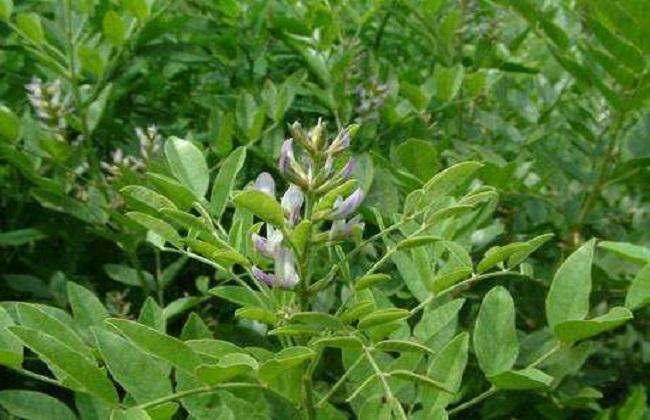
I. Site Selection and Bed Preparation
Generally, a sandy loam soil with a low groundwater table, good drainage and irrigation conditions, and a deep soil layer is used. Compacted and low-lying land is not suitable for planting. The pH value suitable for growth is around 7 to 8. Before planting, the soil needs to be turned, but it should not be too deep, to avoid digging into the subsoil layer, damaging the structure, and being unfavorable for water and fertilizer retention and root growth. Generally, the turned soil should be finely broken up to a depth of about 30 cm. After mixing the base fertilizer with the soil, make a bed surface more than 1 m wide and sun-dry the bed for three days to facilitate sowing.
II. Sprouting Promotion and Sowing
It is best to choose Ural licorice seeds. Put the seeds in a container, add 30 ml of 80% concentrated sulfuric acid per gram of seeds, mix and stir, and leave in a sealed environment kept at about 20 degrees for one daytime. After taking them out, rub and wash them clean with alkaline water or clean water, then wrap the seeds in a clean white cloth soaked in water, and place them in a heated seedling room to promote sprouting. Generally, sprouts will emerge after one night, and when about 80% of the seedlings have emerged, they can be sown. Generally, after sowing in the three seasons of spring, summer, and autumn, dig holes on the ridges for drilling and sow directly and evenly along the furrow; or use hole sowing, generally with 10 cm between holes, sowing 3 to 5 seeds per hole. But after sowing, all need to be watered thoroughly.
III. Field Management
1. Thinning
When the seedlings grow to about 10 cm, the poorly growing seedlings and thin, weak seedlings can be pulled out. Leave growing space for healthy seedlings. In addition, weeds must be pulled out each time with the seedlings. When weeding, intertillage can also be carried out. Intertillage is mainly near the ridge rows, but should stay away from the root system. However, it is mainly carried out when the soil is compacted or compacted after rain, to aerate and let the roots breathe.
2. Fertilizer and Water
About one month after sowing, a certain amount of phosphate fertilizer can be applied in the furrows, and after application it should be covered with soil more than 5 cm deep, and after one week, water once again. After rain, prevent water accumulation and water less to prevent root rot and the death of the whole plant. However, in dry weather, water every afternoon to keep the plants upright and growing normally. In any case, a moist state should be maintained.
The specific planting method of licorice is a planting process of correct sprouting promotion on suitable soil, choosing a reasonable sowing method, and later management. After reading this, do you understand specifically how it should be done?