Spring Cabbage Planting Methods and Key Technical Points
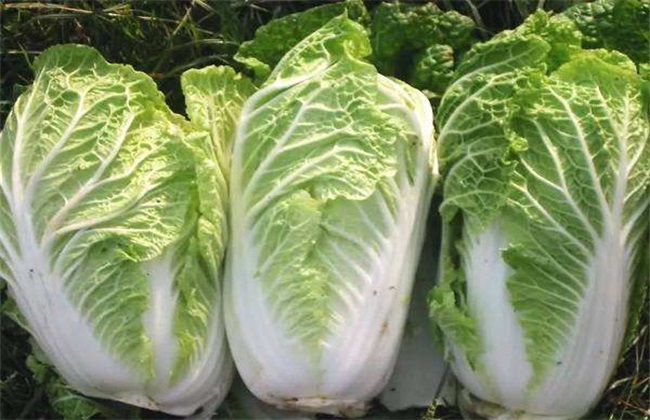
Cabbage can be cultivated in every region across the country, with an extremely wide growing range and very few areas where it cannot be planted. Moreover, in different places and different seasons, different varieties can be grown, suitable for planting different varieties. It can be said to be a national vegetable loved by people in both the north and the south. So today I have chosen a spring cabbage with relatively good market competition to introduce to you how to plant it.
1. Planting Time
Generally sown in late January to early February, it can reach the market in April. Because it is a fast-growing variety, it is the best way to fill the gap in early spring vegetables.
2. Seed Selection
There are many varieties of spring cabbage, so different varieties can be selected according to different regions. For example, the northern regions need to choose varieties with stronger cold resistance and relatively stronger drought tolerance. When planting in the southern regions, you can choose varieties with high tenderness, good quality and good eating taste.
3. Applying Base Fertilizer
Generally used before land preparation. For one mu, you can use 200 jin of composted farmyard organic fertilizer, 100 jin of plant ash and 30 to 40 jin of compound chemical fertilizer. Use them together as base fertilizer and mix them evenly with the soil.
4. Land Preparation
In spring, the south has a lot of cloudy and rainy weather. For ventilation, generally raise high ridges, about 30 cm deep, and the ridge surface can be appropriately wider to benefit later growth. The deep furrows have good drainage, which is conducive to the roots growing downward, absorbing more nutrients and water, and promoting growth.
5. Sowing and Seedling Raising
Seedlings that pass through vernalization below 5 degrees will bolt prematurely, which is not the edible requirement. Therefore, after emergence in open-field cultivation, small arch sheds can be added to prevent cold. You can also try to avoid sowing before February. Of course, some very warm areas need not worry. Spring cabbage has a very short growth period, so it can be planted somewhat densely. Generally, a plant spacing and row spacing of about 25 cm is enough. After rain, you can gently turn the surface soil so the roots can breathe.
6. Water and Fertilizer
The main thing is to control water to prevent root waterlogging after rainfall. At other times, a certain humidity can be maintained, and it is enough to water a small amount according to the dryness of the soil. Do not water too much, which can cause rot disease or cabbage caterpillars. Generally, fertilization other than base fertilizer is carried out at each growth stage. During the rosette stage, apply manure and nitrogen fertilizers such as urea. Around the heading stage, some quick-acting chemical fertilizers can be applied, with compound fertilizer combined with a small amount of potassium fertilizer. This promotes heading and root growth.
Throughout the entire spring cabbage planting process, sowing and seedling raising and water and fertilizer control are the main priorities, so during planting you can handle them with a clear sense of what is primary and what is secondary. But do not omit the corresponding details. Then you should be able to grow spring cabbage with good quality and an excellent appearance.