Key Field Management Techniques for Tomato Cultivation
Tomatoes are a common summer vegetable that can be eaten raw directly. In the past, they were mainly grown in the warm summers of the south, but now they have long been cultivated as off-season vegetables using greenhouses and polytunnel facilities. However, regardless of which method of planting is used, the field maintenance and management after planting have a direct impact on the growing results. Field management generally includes the following aspects, which can be explained one by one.
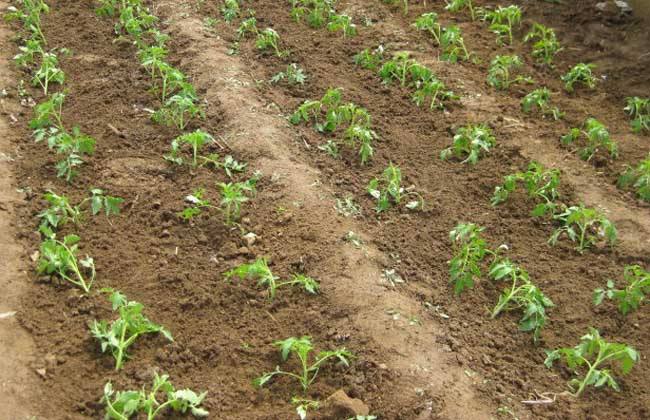
1. Irrigation
Water lightly once at transplanting, then water again one week later. After that, until the fruit-setting stage, do not water unless there is drought, and carry out seedling hardening. Early-maturing varieties have weak growth and bear flowers and fruit early, so the time should be short; mid- and late-maturing varieties have vigorous growth and need vine control, so the time should be extended somewhat. When the fruit expands, seedling hardening should be ended and a timely thorough flood irrigation given once. During the fruiting period, depending on the weather and soil conditions, water once a week, gradually increasing the amount of water to keep the soil moist. If drip irrigation facilities are available, drip irrigate once a day. In summer there is sometimes high temperature and drought, and sometimes heavy rainfall, so drainage and irrigation ditches should be dug well to keep the soil moist without water accumulation.
2. Fertilization
The tomato root system is relatively strong, generally distributed widely but not deeply, with many roots. Generally, after the seedlings emerge at the seedling stage, a small amount of fertilizer can be added during the first watering to promote more root growth. Before seedling hardening, a compound fertilizer must be applied once to maintain the nutrient requirements during the seedling hardening period. After seedling hardening ends, during the fruit expansion period, a quick-acting fertilizer should be applied once as a top dressing to promote fruit expansion and meet the simultaneous needs of fruit growth and vegetative growth. After that, fertilizer should be applied once more during the fruit color-changing period, so that the fruit has enough nutrients to mature.
3. Intertillage and Weeding
After rain, intertillage can be carried out once between the rows, and some weeds can be pulled out at the same time, but this is generally done when the soil is dry. As long as soil compaction and stickiness occur, appropriate intertillage can be carried out, but the number of intertillage operations must not exceed three times, as it is easy to damage the roots. If weeds are found, they can be pulled out at any time, and if there are too many weeds, chemicals can also be used.
4. Trellising and Vine Tying
For good growth, ventilation and light penetration, and convenient harvesting, trellises are generally set up along the planting rows for the plants to climb. However, for fear that the wind and rain may be too strong, or that the fruit may be too heavy for the vines to hold, the vines also need to be tied. Set up the trellis after planting and before seedling emergence, generally forming a tripod or quadripod trellis. Do not tie the vines too tightly, as this obstructs nutrient transport.
When growing tomatoes, doing the above main aspects of work well should allow the tomatoes to grow better and produce many more fruits, but in different regions there are also some different management measures to assist production. Management still needs to be carried out in accordance with actual conditions.