Detailed Explanation of Planting Methods and Technical Points for Wuta-tsai
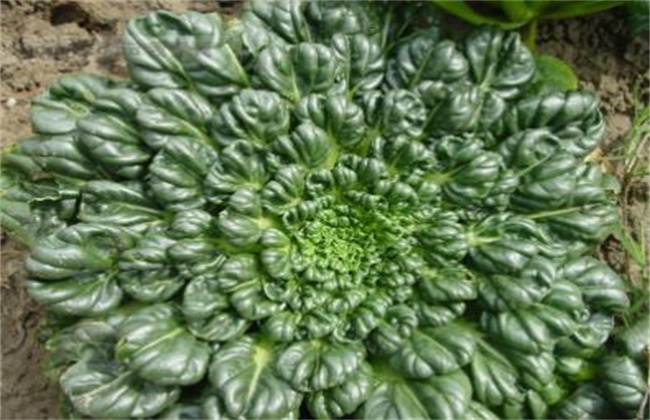
Wuta-tsai, also known as ta-tsai or tati-sung, is a variety of Chinese cabbage. It has an extremely high vitamin C content, which is why it is also called the vitamin vegetable. It is highly cold-resistant and can continue growing at low temperatures of minus ten-odd degrees Celsius. So how do you grow wuta-tsai? Let's find out together.
1. Soil Selection
To achieve better growth of wuta-tsai, it is advisable to choose loose and fertile soil. After selecting the site, deep plow and expose the soil to the sun to eliminate insect eggs and pathogens in the soil, ensuring smooth seedling growth. Apply 1000-1500 kg of farmyard manure per mu as base fertilizer. After one fine plowing, prepare the land and make beds, with a bed width of about 1.5-2 m.
2. Sowing and Seedling Cultivation
Before sowing, first soak the seeds in clean water for one hour, then remove them and place them in a cool place to dry in the shade. After the moisture has evaporated, choose a suitable time for sowing. Before sowing, first water to retain warmth. Sowing can be done in drills or by broadcasting. At suitable temperatures, seedlings generally emerge in 3-5 days. The sowing rate per mu varies depending on the sowing season. For autumn sowing, about 0.75-1 kg of seed is used per mu, while for spring and summer sowing, about 1.5-2.5 kg is used. After the seedlings emerge, thin them in time to maintain suitable row spacing and promote seedling growth, while also doing a good job of weed control.
3. Transplanting
Generally, about 30 days after sowing, when the seedlings have grown 6-7 leaves, transplanting begins. Water thoroughly once during transplanting to facilitate lifting the seedlings, and complete transplanting within a short time after lifting. Planting is generally spaced at 25-33 cm square, though the planting spacing can also be determined according to local climate, soil fertility, and seedling growth conditions. After transplanting, water promptly to help the plants recover.
4. Fertilizer and Water Management
The root system of wuta-tsai is distributed relatively shallowly and has weak absorption capacity, so fertilizer and water must be supplied continuously during the growing period. Applying quick-acting nitrogen fertilizer multiple times as a top dressing is a key step to accelerate growth and ensure high yield and quality. Water must not be cut off within 3-5 days after transplanting. After transplanting, apply dilute manure water multiple times, generally once every 3-4 days, to promote the seedlings to root and survive as quickly as possible. After the seedlings turn green, apply thicker manure water, and cultivate the soil in time when new leaves appear to promote root growth. The fertilization principle is to water-apply on sunny mornings or evenings when seedlings are small, with a lower concentration, and to band-apply between rows on cloudy days, with a lower concentration and fewer applications.
The above is an introduction to how to grow wuta-tsai. We hope it helps you. For more related knowledge, please stay tuned to us.