What are the precautions for watering vegetables in summer?
Summer is hot with high temperatures and muggy weather, and it is precisely the season when vegetables need a relatively large amount of water for growth. During this period, the water management of vegetables directly affects their yield and quality. To obtain a high yield and increase returns, watering must be reasonable. So what should be noted when watering vegetables in summer? Let's take a look together.
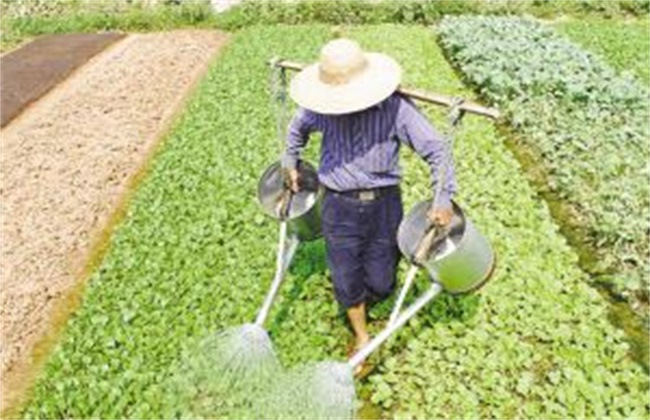
1. Pay attention to watering time
Many growers often fall into a misunderstanding: the midday sun is the strongest and the temperature is at its highest, so watering at this time is just right to cool things down and relieve the heat. But this is extremely wrong. In summer, with high temperatures and strong sunlight, the ground temperature itself is already high. After several hours of sunlight exposure, the ground has absorbed a lot of heat, so the ground temperature is even higher, while the water temperature is relatively lower. This will cause the ground temperature to drop sharply, leading to weakened root metabolism and weaker absorption capacity, normally causing a large reduction in yield. Therefore, in summer it is best to water in the morning. By 9-10 o'clock, when the sunlight is relatively strong, do not water anymore. As the temperature rises, water evaporates and takes away a large amount of heat, which is beneficial to root activity and helps increase yield.
2. Flood irrigation is not advisable
Many growers believe that because of the high temperatures in summer, watering should be done by flood irrigation, with both wide and narrow rows watered together, as this can help lower the ground temperature and air temperature and also ensure that vegetables have sufficient water, which is beneficial to vegetable growth. In fact, this is a mistaken idea. They do not realize that flood irrigation can cause waterlogging in the field, affecting the respiration of the root system, making root rot extremely likely, leading to root decay and yellowing leaves, seriously affecting yield and quality, and in severe cases causing the entire plant to wither and die. Especially for some vegetables that are afraid of waterlogging, in summer you must be careful that the amount of water applied is not too large. In order to avoid water shortage in the root system on one side of the wide furrow, it is best to irrigate the wide and narrow rows alternately.
3. Do not let the soil alternate between dry and wet
During the fruiting period of solanaceous and cucurbit vegetables, the demand for water is uniform. If the soil alternates between dry and wet, it is extremely easy to cause fruit cracking. This is because drought and water shortage in the soil inhibit fruit expansion. Once too much water is applied or during heavy rain, the fruit expands rapidly, and the flesh absorbs water faster than the skin grows, causing fruit cracking. Therefore, in summer, water promptly during drought to keep the soil moist, but the amount of water applied should not be too large. After rain, drain promptly to avoid excessive water absorption by the fruit and cause fruit cracking.
The above is an introduction to the precautions for watering vegetables in summer. I hope it can help you. If you want to learn more related knowledge, please stay tuned to us.