Detailed Explanation of Key Field Management Techniques for Cabbage
After cabbage is planted, the most important thing is field management throughout the entire growth period. Specific measures need to be taken according to the various characteristics of cabbage to promote better growth and improve its edible value. In essence, it is about artificially regulating the relationship between each stage and the growth requirements. Field management roughly includes the following points to understand.
I. Irrigation
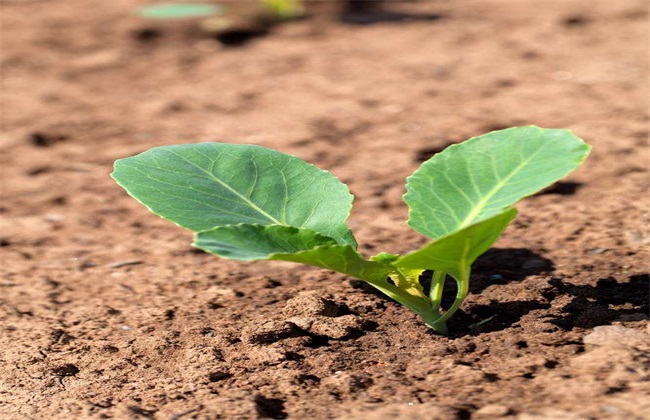
Cabbage is a leafy vegetable, and the most important thing for leafy vegetables is to maintain moisture in the above-ground parts. Because of the many leaves, there is inevitably great transpiration consuming water every day, so the soil needs to maintain a certain water-holding capacity at all times. Therefore, in addition to natural rainfall, artificial irrigation is often needed. For large-scale planting, drip irrigation pipes can be laid in the field. Before emergence, water every other day to keep the soil moist and promote seed germination; after emergence, water promptly to help the roots grow downward and stabilize growth; during the leaf-curling stage, water demand increases greatly compared with the seedling stage, requiring large amounts of irrigation; when heading begins, the greatest amount of water is needed to promote leaf growth, after which water demand gradually increases and then decreases, and by the time heading is complete, watering should be gradually reduced to prevent the head from absorbing water and splitting.
II. Topdressing
In addition to applying sufficient base fertilizer before sowing, topdressing should be applied separately at each growth stage of cabbage to meet different growth needs. At the seedling stage, some plant ash is generally needed as potassium fertilizer to strengthen the root system and stabilize plant growth. At the same time, some nitrogen fertilizer should be applied, but it needs to be diluted with water and applied in small amounts multiple times to avoid the roots being unable to absorb it. When leaf curling begins, a large amount of nitrogen fertilizer is needed to promote leaf growth and carry out photosynthesis to produce nutrients. The period of greatest fertilizer demand throughout the whole process is the heading stage, at which time 30 jin of urea can be applied per mu to meet growth needs.
III. Temperature and Light
Throughout the entire period, the temperature is best kept between 20 and 30 degrees, which allows for good growth. For open-field planting, power lines and applied compost can be used to regulate temperature. Facility cultivation is much more convenient. Generally, the light conditions during the suitable growth period can meet the requirements, and under unsuitable conditions, artificial regulation can be used.
IV. Disease and Pest Prevention
Generally, at the seedling stage, attention should be paid to damping-off disease, and carbendazim should be sprayed promptly once it is discovered. In the later stage, attention should be paid to slug damage, and table salt and ginger powder can be scattered near the plants to keep them away. If cabbage caterpillars are found, focus on spraying Bo. t. emulsion or Qingchongjun No. 6 liquid for control.
The most important thing in cabbage cultivation is doing a good job of field management. Generally, the above measures are used to control the growth and development of cabbage at each stage. If you want to grow cabbage well, you should treat it seriously and maintain it carefully.